Who's Out to Get Turkey’s Spymaster?
The pressure on Turkish Intelligence head Hakan Fidan may be a sign of concern over a shift in Prime Minister Recep Tayyip Erdogan’s policies toward Syria and Iran.
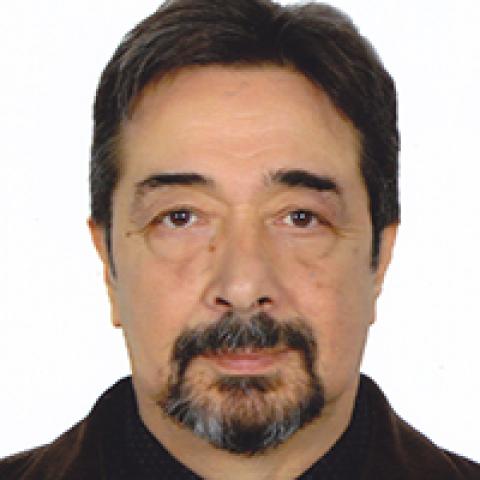

When stories about a country’s spymaster appear in the international media, they are automatically assumed to be based on information leaked with a purpose. The nature of the game, however, is that a government suspected of doing the leaking will deny any such allegation. This is the backdrop against which two recent and controversial articles about Hakan Fidan, head of Milli Istihbarat Teskilati (MIT), Turkey’s intelligence agency, must be read.
The first story appeared Oct. 10 in The Wall Street Journal under the title “Turkey's Spymaster Plots Own Course on Syria.” Citing “senior US officials,” the article claims that three years ago, Fidan had raised concerns in Washington “when he rattled Turkey's allies by allegedly passing to Iran sensitive intelligence collected by the US and Israel.” It goes on to assert, “More recently, Turkey's Syria approach, carried out by Mr. Fidan, has put it at odds with the US.” The story also quotes Jim Jeffrey, former US ambassador to Turkey, as saying that although Washington needs to work with Fidan, “because he can get the job done,” it should not assume “he is a knee-jerk friend of the United States, because he is not."
The article maintains that Fidan’s ascent as Turkey’s spymaster in 2010 was met with wariness in Washington and Israel “because of his role in shaping Iran policy,” stating, “The tension was aggravated in 2010 when the CIA began to suspect the MIT of passing intelligence, including classified US assessments about the Iranian government, to Tehran. The Journal also suggests that Fidan had been the mover behind Turkey’s arming of the radical Islamist groups fighting the Bashar al-Assad regime in Syria, another source of annoyance in Washington.
The second story, written by David Ignatius, appeared a week later, on Oct. 16, in The Washington Post. Ignatius was the moderator during the Davos International Forum panel in January 2009, when Turkish Prime Minister Recep Tayyip Erdogan, incensed over Israel’s bloody Operation Cast Lead against Gaza, told Israeli President Shimon Peres to his face that his country “knew how to kill well.” Citing unnamed Israeli and US official sources, Ignatius also claimed that Fidan had tipped-off Tehran about an Israeli spy ring in Turkey comprised of Iranians. He said this “effort to slap the Israelis” had resulted in a “significant” loss of intelligence.


