Israeli media miscasts Hebron clashes
The Israeli media has painted a recent confrontation in Hebron as the result of growing radical Islamism in the West Bank despite the lack of evidence for such a cause.

As is often the case, the news concerning the circumstances of the Nov. 27 Israeli killings of three Palestinian men is being told from one side because the other side is unable to be respond or be heard.
The undisputed facts are that members of the Israeli army stopped a vehicle carrying three Palestinian male passengers. They killed two of the passengers at that time, and the third apparently ran away but was later killed as well.
The official Israeli version is that the army had been tracking the occupants of the car for a few days when they were spotted in an area under its control. The army claims that the Israelis shot out the tires and after a short exchange, two Palestinians — Mahmoud Khalid al-Najjar and Mousa Makhamra — were killed, and a third — Mohammad Nayroukh — was chased and killed. The Israelis, who say that they recovered pistols and bomb equipment in the possession of the Palestinians, have made unsubstantiated statements that the three were planning to carry out operations against Israeli and Palestinian government targets.
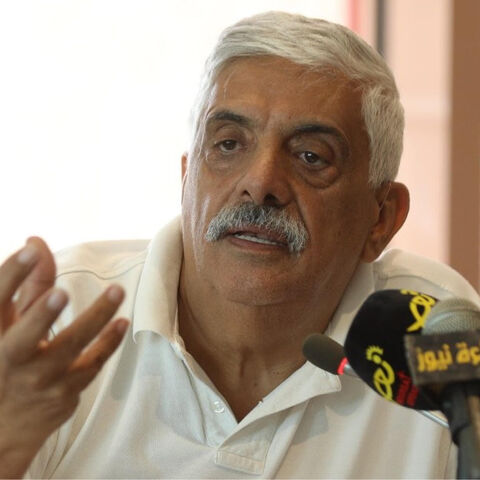
Nasser Laham, editor of Ma’an News, criticized the Palestinian government’s silence on the killings, arguing that the Palestinians have allowed the Israeli narrative to prevail in tact. Ma’an, in its Arabic edition, provided sketchy information about the incident, but asserted that Nayroukh had managed to get to a nearby clinic in Yatta, where he died from his wounds. No eyewitnesses have been quoted to back up the Israeli version of events.


