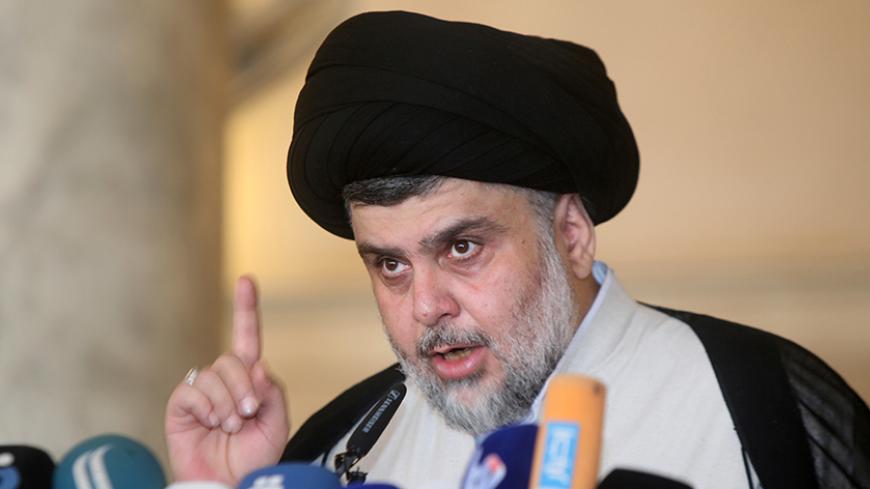
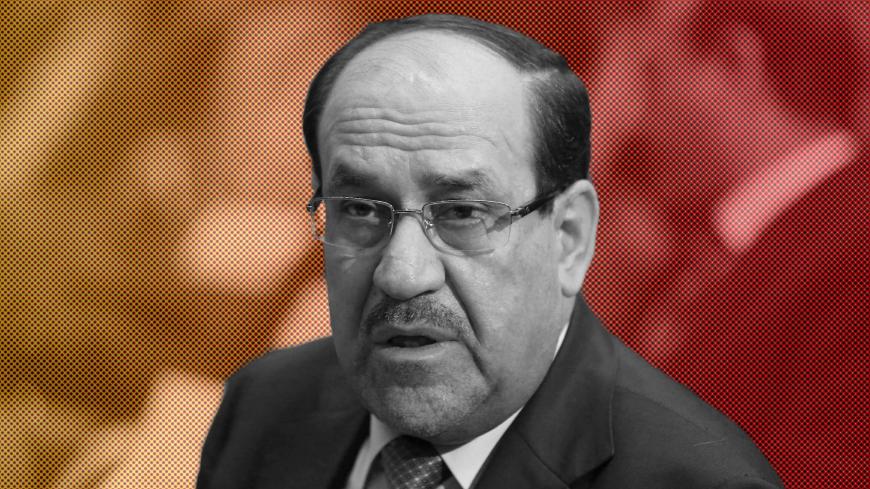
While the last Iraqi general election in 2010 revolved around the rivalry between the State of Law Coalition, led by Prime Minister Nouri al-Maliki, and the Iraqiya List, led by Ayad Allawi, the upcoming elections in April 2014 are more likely to be affected by the worsening conflict between Maliki and Shiite leader Muqtada al-Sadr. The latter has recently emerged as a major critic of the prime minister’s policies, even calling Maliki a dictator and advising him to not seek a third term.
With the disintegration of the Iraqiya bloc and the likelihood that the next election will be an intra-communal competition, Sadr and Maliki will compete to win the largest number of Shiite votes, despite the fact that they have different constituencies. Sadr’s support is concentrated in the poor and densely populated Shiite areas, while Maliki has succeeded in securing the support of a large segment of the military, state workers and a considerable segment of the Shiite middle class, in addition to the tribal support that he gained by co-opting some tribal leaders in the south.
However, this difference in support bases may be a reason for the intensification of the conflict between them. Unlike the Supreme Islamic Council, which is the third major Shiite force and which seems more cautious in its confrontation with Maliki, Sadr’s largely fortified constituency could secure enough votes to make him the kingmaker after the election. Sadr’s explicit opposition of Maliki’s attempts to secure a third term has made him a potential target in the premier’s survival tactics.
Among the first manifestations of the early electoral conflict between the two sides was a Nov. 2 statement by Sadr criticizing Maliki’s recent visit to Washington as an attempt to win US support to remain at his post. Maliki’s office responded on Nov. 4 in an unusually harsh statement that accused Sadr’s militia of having been involved in the sectarian killings in Iraq during the past years and of collaborating with external powers against the Iraqi government. The statement threatened a harsh reprisal in the future should Sadr not change his behavior.
AL-MONITOR All-Access gives you unlimited access to all our journalism, the full Daily Briefing, exclusive interviews, premium newsletters, and live events — for less than $2/week.