Famous diva's 'fondness' for Nasrallah stirs controversy
Lebanese artist, musician and playwright Ziad Rahbani stirred controversy when he said in an interview that his mother, the acclaimed Lebanese diva Fairouz, was ‘fond’ of Hezbollah leader Hassan Nasrallah.
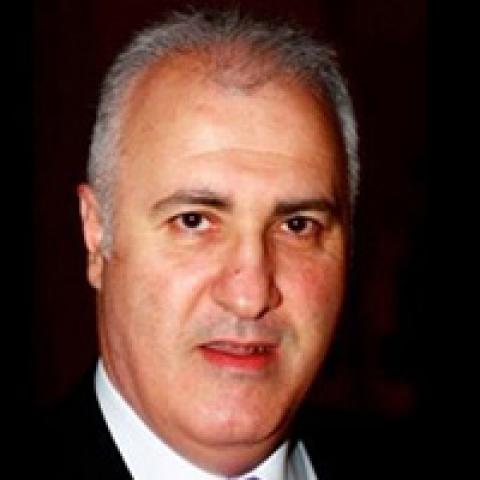

Amid all its political, security and economic concerns, Lebanon has now become the scene of an odd, heated debate involving Fairouz, Lebanon’s most famous singer, and Hezbollah Secretary-General Hassan Nasrallah. It's such a hot topic that leading politicians and various officials have felt compelled to chime in.
It almost goes without saying that anything related to Nasrallah or Hezbollah is cause for uproar in Lebanon these days. The conflict between his supporters and detractors has deep roots that even extend beyond Lebanon’s borders. The division is ubiquitous, touching on every aspect of daily life, everywhere. Yet, this does not explain the clamor that erupted around a statement attributed to Mrs. Fairouz, as the Lebanese and most Arabs call her, about Nasrallah.
The story began with a Dec. 17 interview conducted by the website Al-Ahed with Ziad Rahbani, the famous Lebanese artist, musician, playwright and son of Fairouz. During the interview, Rahbani, a harsh commentator and supporter of Hezbollah’s stance toward Israel was asked, “Does your mother share your support for Nasrallah’s espoused positions?” He responded, “Fairouz is very fond of Sayyed Hassan, although she will be displeased with me, as she was after my last television interview, when I revealed some personal information and she quickly interrupted me.”
Rahbani words created a media and social networking firestorm. In the following days, social networking pages were awash with comments about his statement, supporting or disparaging them to the point of every Lebanese being fixated on the issue. Nasrallah himself even alluded to it in a speech on Dec. 20, although without mentioning names. He noted with a smile, “An educated highly respected thinker and artist, who maybe espoused different ideologies, might disagree with you on political matters, but personally have [a] fondness for you, because of your character, conduct, sacrifices and so on. If such a person were to say that he or she liked someone, then all hell would break loose.”


