Israel's media at war
Israeli media scholars Tamar Liebes and Zohar Kampf point to a dramatic change in the coverage of conflicts in the West: from focusing on politicians and generals to coverage of human stories of enemies and victims.
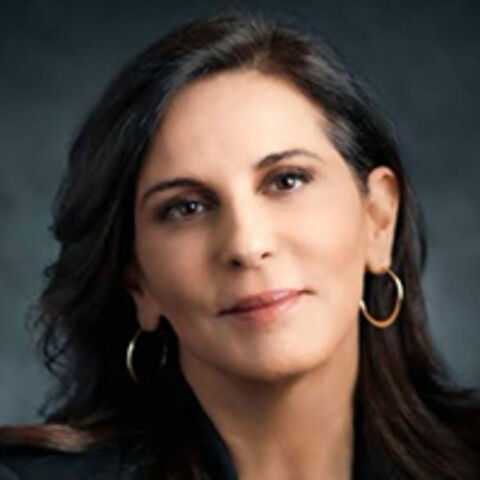

One of the most powerful media moments that has been etched in the consciousness of the Israeli public, from the days of Operation Cast Lead in Gaza in December 2008, was an especially sympathetic interview by Yonit Levi, the news anchor of Channel 2, with Ahmed Sanur, a welding shop owner in Gaza.
At the ruins of the welding shop, destroyed in the extensive bombings of the Israeli air force, Sanur spoke in an anguished voice about his son who was killed in the same attack. Levi, known for a meticulous and unemotional presenting style, didn’t succeed this time in remaining apathetic. She asked Sanur how he felt after losing his son, and if he had a message for the Israelis. Sanur sobbed and almost begged that the war would stop. At least a million Israelis watched this interview, hundreds of thousands of them, residents of the south, were besieged in shelters while under an unremitting onslaught of rockets and shells from Gaza.
Media scholars Tamar Liebes and Zohar Kampf of the Department of Communications at the Hebrew University argue that this interview could not have occurred 10 years earlier. This assertion is a result of a comprehensive study they have conducted in the last few years, in which they examined changing media coverage during periods of war and terror. According to them, the new style of coverage has grown new heroes, such as regular people from the other side of the conflict, and diminished the power of politicians, generals and news editors.
The research is detailed in their book, Transforming Media Coverage of Violent Conflicts, which was published in September. A book launch took place at the beginning of January, with the presence of former Prime Minister Ehud Olmert, a key figure in the Second Lebanon War. In a joint interview with Al-Monitor, they predict that the phenomenon will only grow, and will continue to change the center of gravity of coverage. In other words, if the first Gulf War had taken place today rather than in 1991, the heroes of news coverage then, the American Gen. Norman Schwarzkopf, and Israel Defense Forces (IDF) Spokesman Nachman Shai, would not have conquered the screen.


