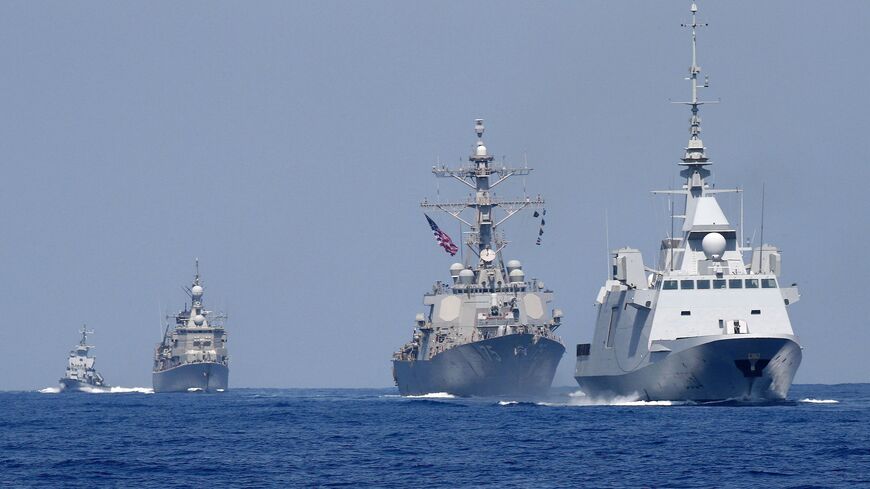
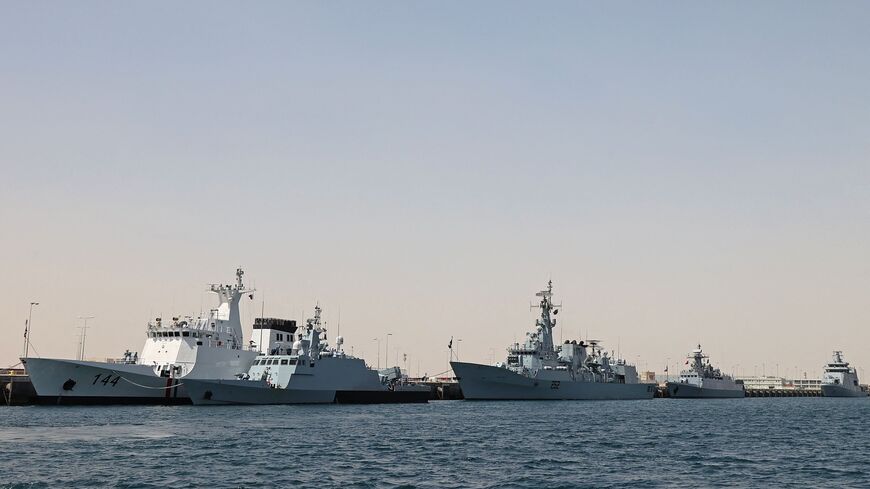
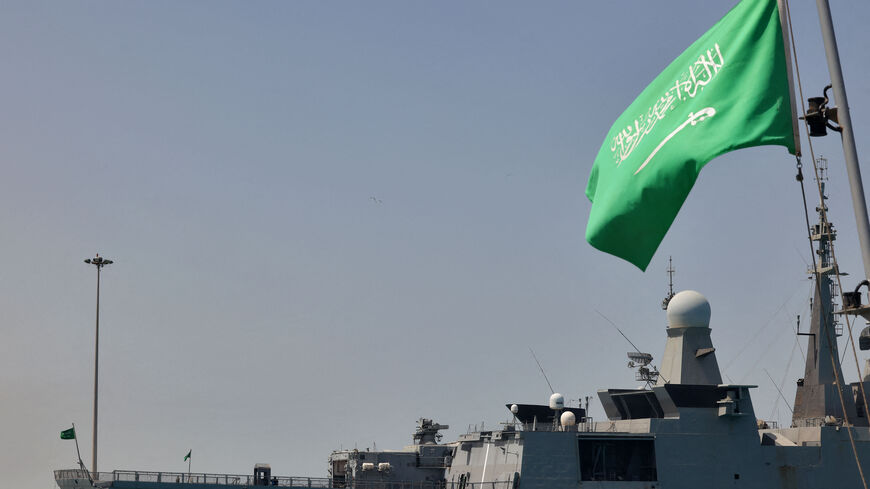
When Turkey’s military planners and defense procurement authorities decided to buy a colossal amphibious assault vessel in early 2010, the two seas of traditional disputes around Turkey, the Aegean and Mediterranean, appeared calmer: Worsening but still good relations with Syria, worsening but manageable relations with Israel, better than "just good" relations with Egypt, normalization with traditional rival Greece and the usual no-relations status with Cyprus. But, when the Turks moved to select a shipyard for the vessel last month, the Mediterranean looked much less calm.
The decision to go ahead with the plan to acquire a landing platform dock (LPD) that will come with a huge price tag of anywhere between $800 million and $1 billion comes at a time when Turkey is at various temperatures of cold war with Cyprus, Lebanon, Israel, Syria (and the Russian military presence in Syria) and Egypt.
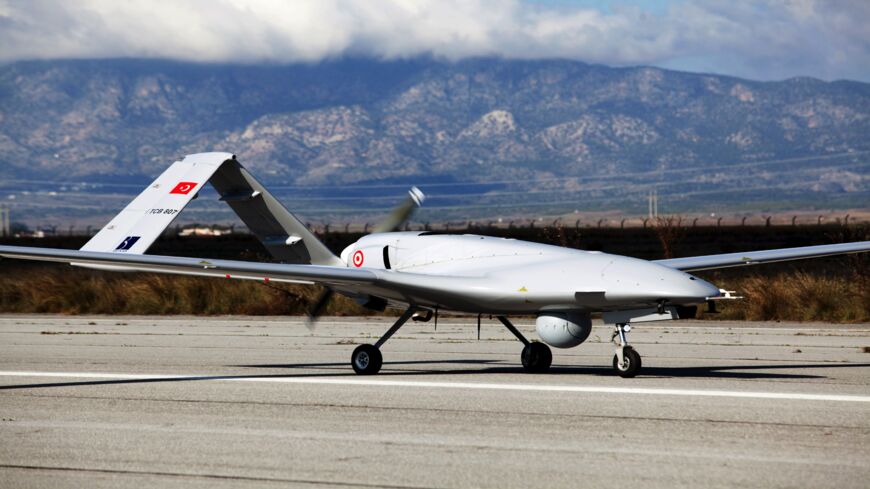
But what, in naval terms, would the LPD Turkey wants to buy offer? It can carry a battalion-sized unit of 1,000 troops and personnel, eight utility helicopters, three unmanned aerial vehicles and transport 150 vehicles, including battle tanks. A ski jump at the front of the deck can be used to launch fighter aircraft. If Turkey signs the contract with the Istanbul shipyard Sedef, which a procurement committee selected as the best bidder, it will go for the BPE/Juan Carlos I class design developed by Sedef’s Spanish partners, Navantia. Main construction would take place in Turkey, but Navantia would get nearly 900,000 man-hours of work, including critical features like engines, the propulsion system and the integrated platform control system. But what may Turkey be hoping to achieve, choosing a 27,500-ton-plus vessel to add to the small landing craft in its naval inventory?
One reason is Turkey’s determination to build a strong littoral warfare structure on both the Aegean and, especially these days, the Mediterranean seas. Officially, the Turks hope to achieve substantial deterrence to counter both conventional and nonconventional threats on both seas, and expand their coastal defenses. The Turkish navy has no open-seas operations, but Turkey’s geography puts almost every naval threat assessment into the perspective of some kind of littoral warfare doctrine (Turkey is bordered by sea on three sides; the Black Sea in the north, the Mediterranean in the south and the Aegean in the west. In the northwest, there is also an important internal sea, the Sea of Marmara, between the straits of the Dardanelles and the Bosporus, important waterways that connect the Black Sea with the rest of the world. The Turkish coastline is 4,474 miles, excluding islands).
AL-MONITOR All-Access gives you unlimited access to all our journalism, the full Daily Briefing, exclusive interviews, premium newsletters, and live events — for less than $2/week.