Lebanon’s new government based on mutual oversight
After a governmental vacuum that lasted 11 months, Lebanese parties have finally formed a government based on Sunni and Shiite groups providing a supervisory role to the other, with Christians serving as mediators.
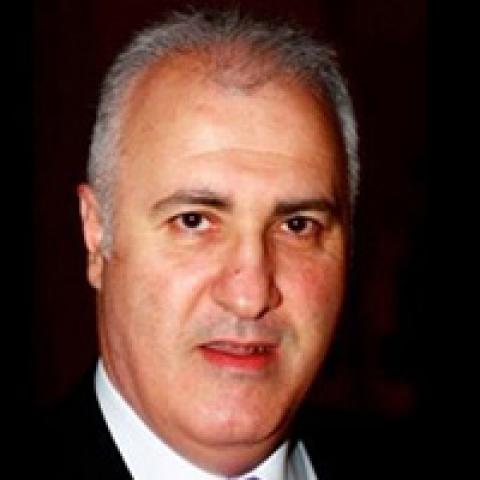

Nearly 11 months after the resignation of former Prime Minister Najib Mikati on March 22, 2013 and the ensuing leadership vacuum, the new Lebanese government was finally formed on Feb. 15. The cabinet is headed by Beirut member of parliament Tammam Salam, who belongs to the coalition of former Prime Minister Saad Hariri, and comprises 24 ministers carefully chosen to ensure balance between religions, sects, parties and ministerial portfolios in an extremely complicated formula specific to the Lebanese situation.
There are two important aspects about this government. First, it seems as though roles have been reversed for the three most prominent political and religious powers in the country. Second, there is a state of anticipation as this government heads into its first challenge: agreeing on a new ministerial statement from among three proposed choices and with a constitutional deadline of 30 days to win the trust of the Lebanese parliament, or the government will be considered resigned.
When it comes to the first matter — the reversal of the roles of political and religious powers — it is ironic to note that the government gave the largest Sunni group, headed by Saad Hariri, the Ministries of Interior and Defense. As two figures belonging to this group assumed the ministries, it is safe to say that the judiciary and security systems in Lebanon are now in the custody of the Sunni Hariri camp.
In addition, alongside the minister of defense, the general prosecutor is also Sunni. And alongside the minister of interior, the director-general of the Internal Security Forces and the head of the Information Branch — currently the strongest intelligence agency — are also Sunnis. Some observers put these five figures in the same sectarian and political group.


