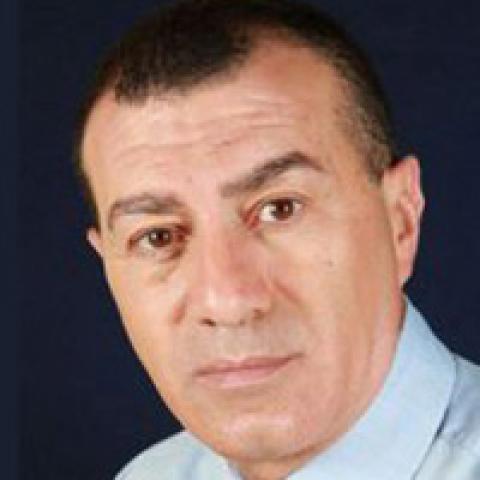
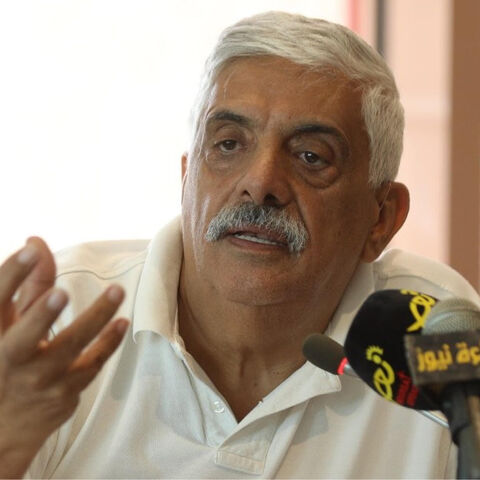
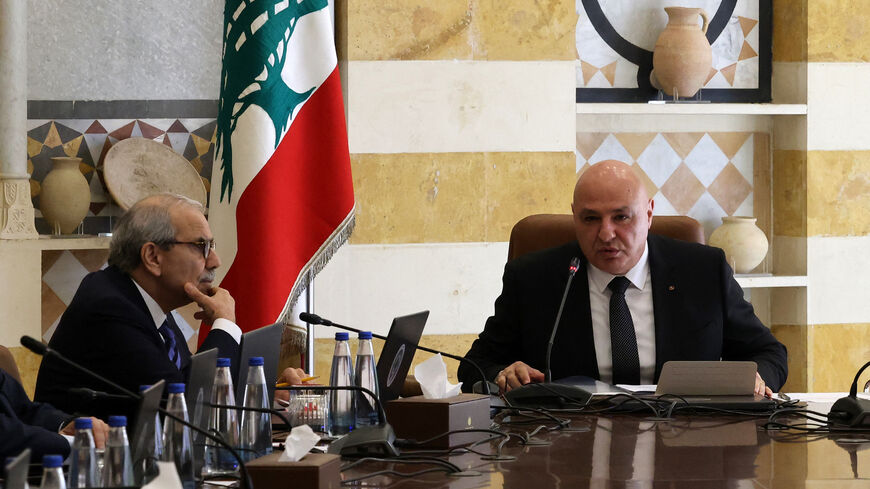
The loss of the Nazareth mayoralty in the March 11 recall elections marked the beginning of the end of the Israeli Communist Party in Israel. Ramez Jaraisi, the mayor for nearly four decades, lost to Ali Salam, who won more than 61% of the city’s votes.
Israeli Communist leaders in Nazareth accepted defeat and issued a statement six days later to congratulate the new winners, stating that they accepted the will of the people of Nazareth. They also promised to search hard for the reasons for their political setback. Jaraisi gained almost the same number of votes, 16,000, while his opponent (who was his deputy for years) won over the votes that went to other groups that competed in the first round against Jaraisi.
While the election campaign turned sectarian in the early stages of the election campaign, that Salam's "Our Nazareth" list was endorsed by well-known Christian leaders and clergy reduced much of the tensions. Many feel that the religious-sectarian issue was manufactured, rather than a real reflection of any Christian-Muslim tensions on the ground.
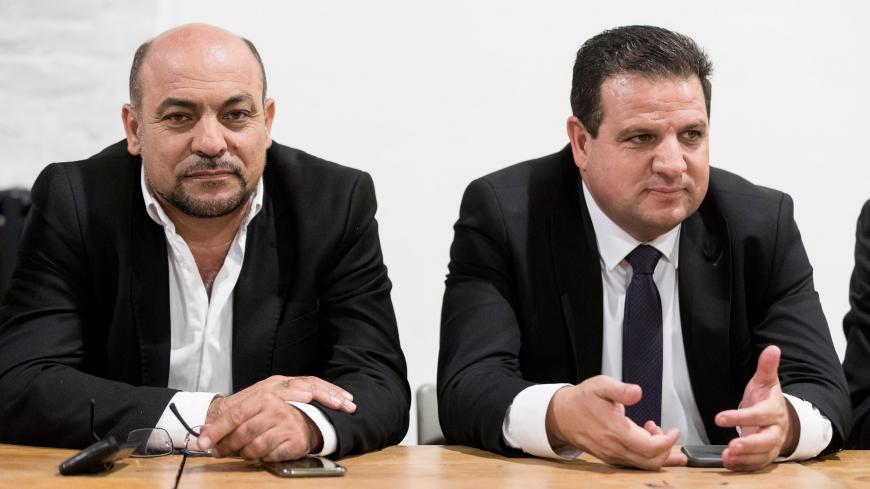
The Democratic Front for Peace and Equality, a coalition led by the Israeli Communist Party, has been the major political force for Palestinian citizens of Israel since it was created in this form in 1977. The Jabha as it is called in Arabic, or Hadash in Hebrew, has maintained an Arab-Jewish partnership despite the vast majority of its members and voters being Palestinian Arab citizens of Israel. Israeli Communists, through different coalitions, have maintained three or four members of the 120-member Israeli Knesset since the establishment of Israel.
AL-MONITOR All-Access gives you unlimited access to all our journalism, the full Daily Briefing, exclusive interviews, premium newsletters, and live events — for less than $2/week.