Palestinians skeptical of the Oslo process have for years been complaining that it has served only to relieve Israel of its obligations as an occupying force, instead of producing an independent and sovereign Palestinian state. This has led to repeated calls for the dissolution of the Oslo-created Palestinian Authority (PA).
Empowering a population and allowing it to practice a certain level of self-determination was seen as an initial accomplishment that would serve as a bridge toward total independence. The recognition of the Palestine Liberation Organization, which prior to Oslo had been outlawed as a terrorist organization, and the return of Palestinian leaders and families were seen by many as a partial implementation of the right of return.
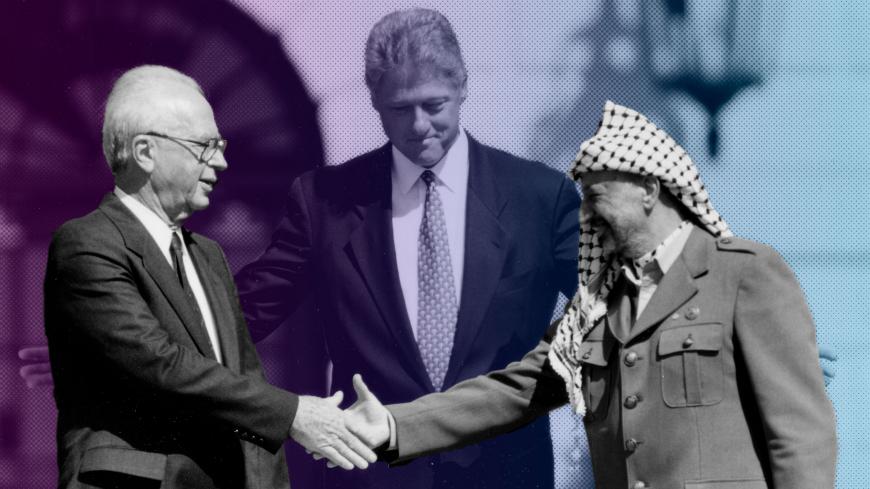
For Israel, the Oslo process provided major relief for its occupation forces, freeing them from having to guard populated Palestinian cities. The division of Palestinian-controlled territory into Areas A, B and C was tolerated within a temporary, five-year transition plan. Extending it to more than 20 years was never part of the original deal signed on the White House lawn in 1993.
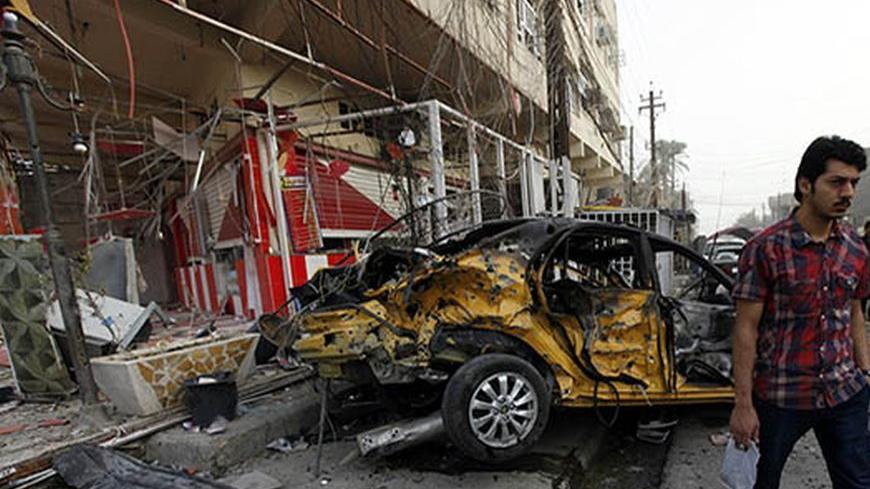
Some argue that the process was on track until a Jewish radical assassinated Israeli Prime Minister Yitzhak Rabin in 1995. Others blame the Palestinians, for not being able to stop Hamas suicide bombings and Yasser Arafat for having indirectly encouraged or refused to discourage the eruption of the second intifada in the winter of 2000, after the failure to reach an agreement at Camp David II.
AL-MONITOR All-Access gives you unlimited access to all our journalism, the full Daily Briefing, exclusive interviews, premium newsletters, and live events — for less than $2/week.