As Palestinian and Israeli negotiators struggle to extend the peace talks beyond the April 30 deadline, the need for a shift in liberation strategy is quickly becoming a priority.
Two distinct movements are emerging as a possible Palestinian plan B. Neither is based on violence as a viable way to reach independence — a reflection of a lack of faith in the armed struggle. Military resistance groups still remain, but they don’t appear to have any serious, workable plans to change the status quo.
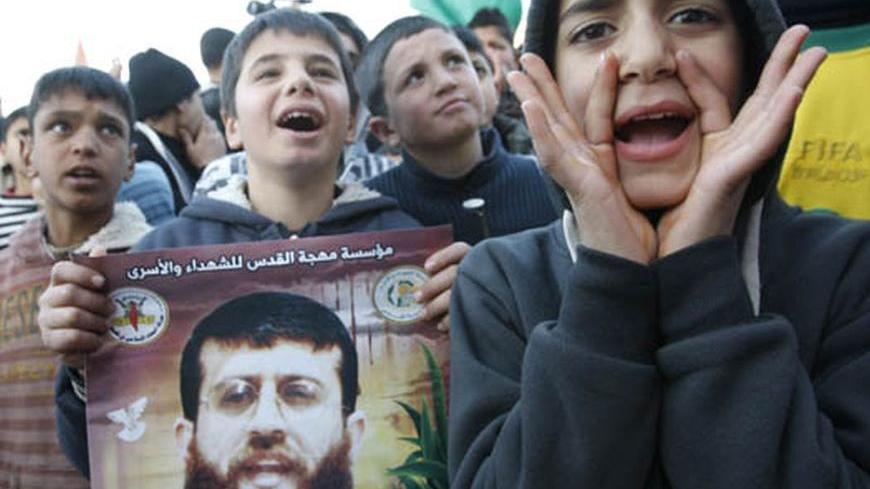
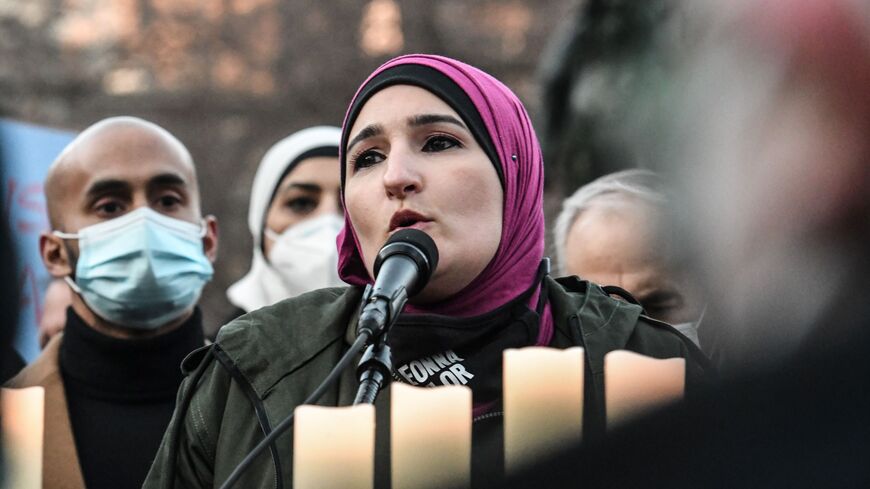
Inside Palestine, various nonviolent popular resistance movements are actively working to highlight oppressive Israeli practices with a focus on the wall built deep in Palestinian territory. Outside Palestine, the most active movement is the Boycott, Divestment and Sanctions (BDS) movement. Both kinds of movements include Palestinian and non-Palestinian supporters, and both operate under a decentralized leadership, allowing autonomous activities for those expressing solidarity with it.
Neither the BDS movement nor the anti-wall resistance have reached the strength to become an actual game changer. But this can shift quickly if the peace talks collapse and the bulk of Palestinian anti-Israeli efforts are shifted to these movements.
AL-MONITOR All-Access gives you unlimited access to all our journalism, the full Daily Briefing, exclusive interviews, premium newsletters, and live events — for less than $2/week.