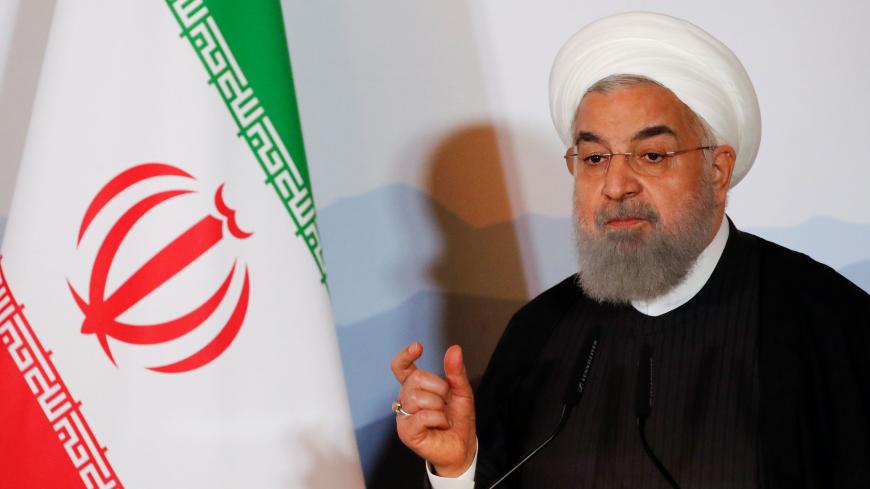
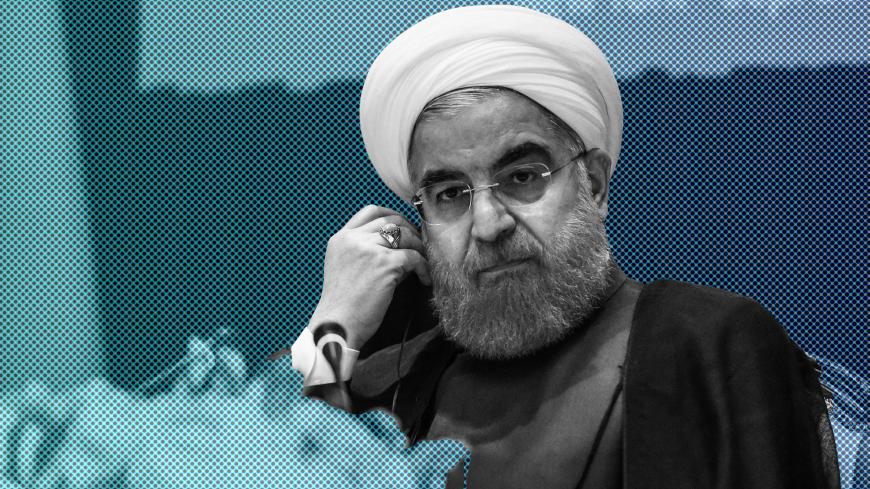
Much attention has been paid to conservative critics of President Hassan Rouhani. What has received little attention, however, is the state of internal divisions within Rouhani’s Cabinet over both the subsidy programs and corruption at the Cultural Heritage and Tourism Organization. Understanding the main political leanings of Rouhani’s Cabinet and a few of the disagreements that have surfaced is key to understanding how far his administration can or will want to go in implementing cultural and political reforms and pursuing his foreign policy initiatives.
Rouhani chose most of his personnel from the following three groups: his circle of close associates, members of the Executives of Construction Party (Kaargozaaraan) and traditional and pragmatic Principlists. He designed his Cabinet to be a mixture of representatives from different groups of people who voted for him. Yet, he also wanted to keep his administration moderate and balanced by utilizing centralist forces that are somewhere in between the Reformist and the Principlists.
Rouhani’s circle of close friends and associates include people such as his brother and special assistant Hossein Fereydoun, cultural adviser Hesam al-Din Ashena, spokesman Mohammad Bagher Nobakht, chief of staff Mohammad Nahavandian, chief adviser Akbar Torkan and Minister of Industry Mohammad Reza Nematzadeh.
Most of them are members of the Moderation and Development Party. The party was founded by Rouhani in 1999. Their origin, like that of Rouhani himself, goes back to the right-wing faction of the Islamic Republic whose political and economic viewpoints were transformed after the Iran-Iraq war. They worked closely with Hashemi Rafsanjani’s presidency during the so-called Construction Era.
AL-MONITOR All-Access gives you unlimited access to all our journalism, the full Daily Briefing, exclusive interviews, premium newsletters, and live events — for less than $2/week.