Israeli settlers attack IDF, Palestinians
The Palestinians living in the villages near the Yitzhar settlement were not surprised this week at the violence perpetrated by the settlers on IDF soldiers: “If this is what they do to the soldiers, think what they do to us.”
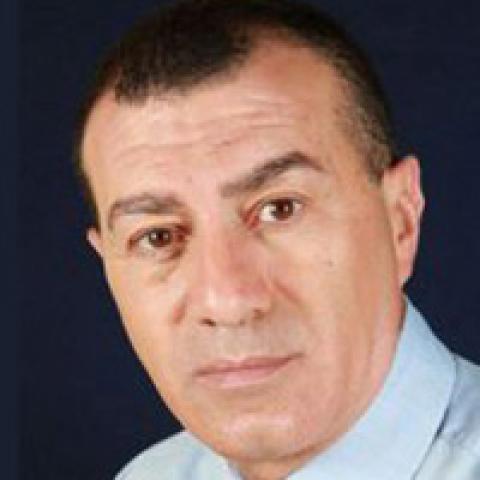

“If one of us was to throw a stone at a soldier, you would put the entire city under curfew. Soldiers would have entered the homes at night and removed the men. You would have forced us to reveal who threw the stone, even if it was a child,” says Hussam Hassan, owner of a pastry and baklava store in downtown Nablus. “But when the settlers act this way to soldiers, the soldiers are afraid of them. If that’s what they do to soldiers, think of what they do to us.”
Hassan expresses the feelings of many Palestinian residents of the Nablus district who are well-acquainted with the Yitzhar settlement. Yitzhar was established in 1983 as a Nahal [paramilitary] settlement; it was first called “Rogan,” a kind of joke at the expense of Ronald Reagan, who called for a settlement freeze just the day before it was built. Over the years, families settled the place, and after the evacuation of Joseph’s tomb in Nablus at the beginning of the second intifada in 2000, the Od Yosef Chai (Joseph Still Lives) rabbinical college was also transferred to Yitzhar. Numerous of those who call themselves the “hilltop youths” live in Yitzhar and several outposts have been established within its boundaries.
Over the years, Yitzhar has become the most extremist settlement in the West Bank, mainly because of a group that earned the nickname “A Handful of Lawbreakers.” These individuals came to Yitzhar and settled in its territory or nearby in the illegal outposts. Numerous “price-tag” actions, attributed to Yitzhar, have been perpetrated, including destruction of Palestinian property and equipment, uprooting of trees and spray-painted graffiti in nearby villages such as Asira al-Qibliya. The Yitzhar settlers did not even try to conceal their identities; in fact, they signed their names in the graffiti slogans they painted on houses in the villages of Urif and Burin.
Salah Abu Ramadan, resident of Asira al-Qibliya and active Fatah member, established a group of volunteers to guard the village at night from the settlers. Abu Ramadan says that even American Ambassador to Israel Dan Shapiro took the unusual step seven months ago of turning to Israel’s Civil Administration in the West Bank, to take action against the Yitzhar settlers who damaged the property of American aid organization USAID that built a water reservoir in the village. Salah says that the Yitzhar settlers used to come to the village every day, attack the organization’s workers, spray-paint messages and graffiti on the heavy machinery operating in the territory. They even ignited a structure built in the worksite, with a Molotov cocktail.


