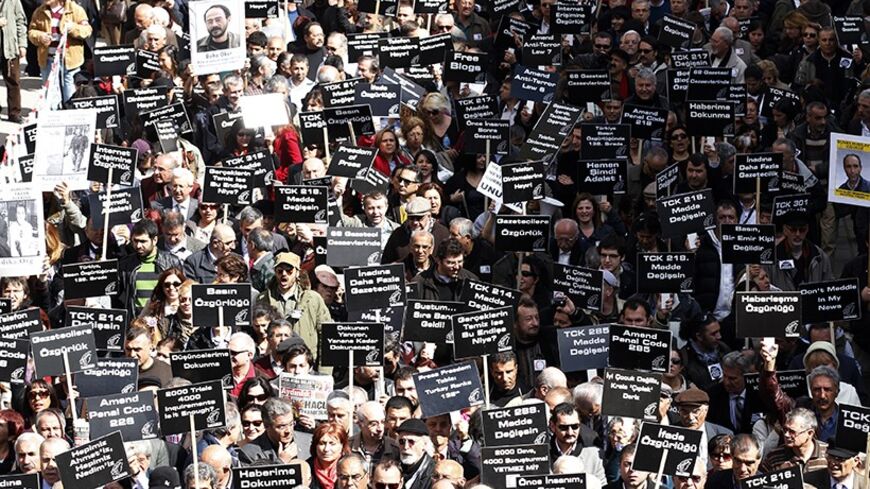
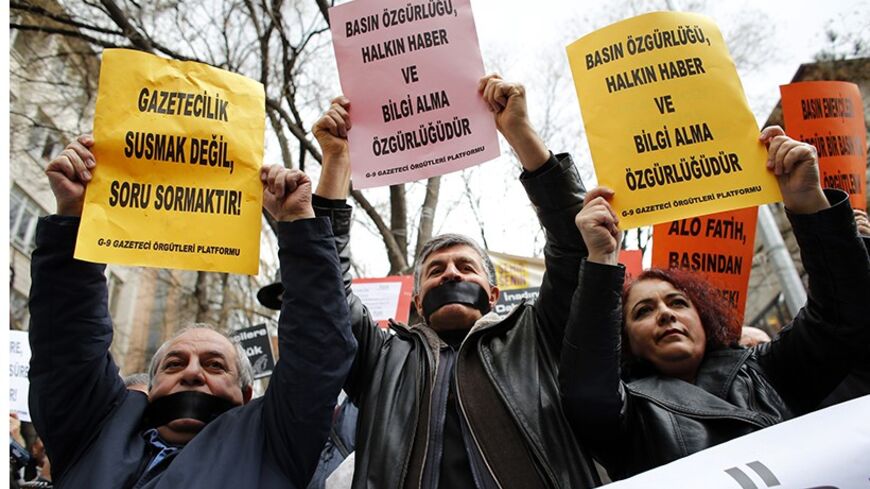
Turkey obviously has problems with its freedom of press and expression. I had acknowledged this reality in my two previous Al-Monitor articles. But it is also true that significant progress has been achieved in freedom of expression over the past 10 years. Until a few years ago, "Kurdistan" was a taboo word. Anyone who used it would instantly be declared a traitor by the mainstream media, and prosecutors would seek prison sentences for the offenders.
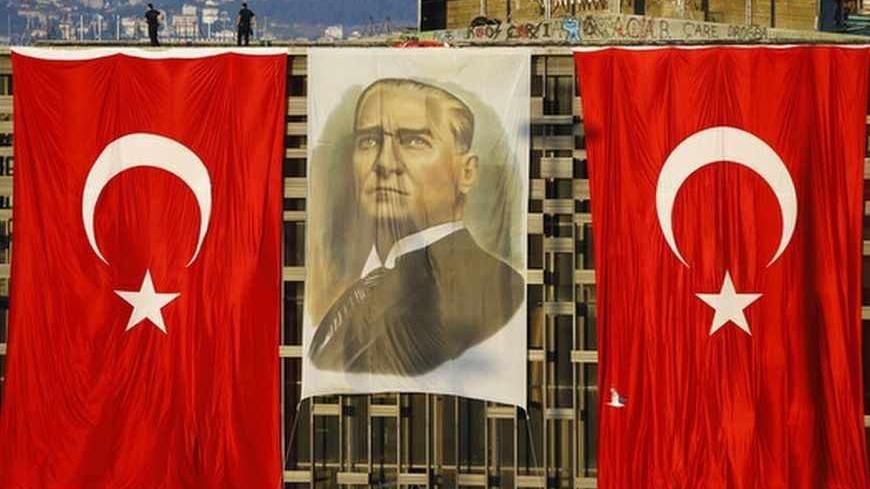
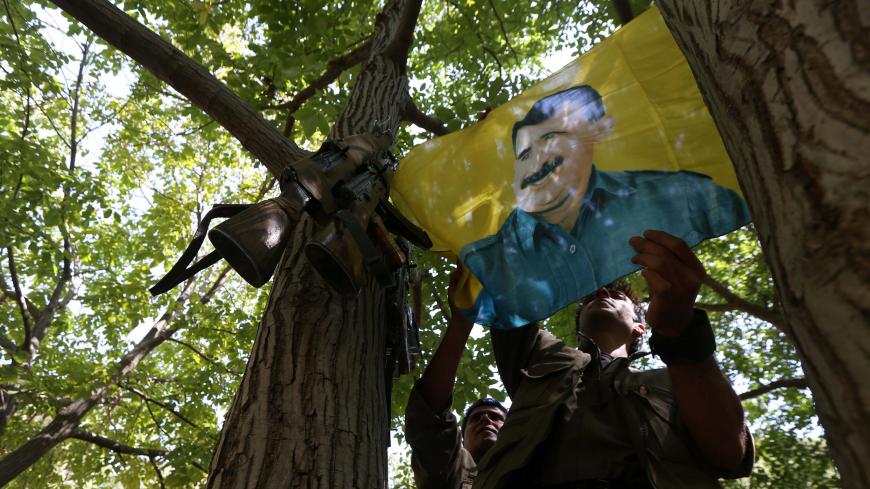
Turkey today may still have some problems, but the former Kemalist regime was an outright hell. The Turkish press had to call Kurdistan “Northern Iraq.” This nonsense is done with. Today, many writers freely refer to Turkey’s southeast as North Kurdistan. In the old Turkey, if you called Kurdish leader Abdullah Ocalan “Mr. Ocalan,” your media career would have ended right there. If you spoke of Ocalan, you had to add "master terrorist.” Today, many commentators appear on major TV channels and praise Ocalan’s political attitude. Only extreme nationalists and the pro-Fethullah Gulen movement media denounce Ocalan and the Kurdish movement these days.
One of the major problems for freedom of press and expression in Turkey has been the issue of the 1915 Armenian genocide. Under the former regimes, you were required to outright deny it. Those like me who said there was genocide would be tried under Article 301 of the penal code. I have been there myself.
Turkey’s Nobel Prize-winning author Orhan Pamuk had to leave Turkey because of this situation. Armenian journalist Hrant Dink was made an object of hate by the mainstream media and in the end, he was assassinated.
AL-MONITOR All-Access gives you unlimited access to all our journalism, the full Daily Briefing, exclusive interviews, premium newsletters, and live events — for less than $2/week.