US, Iran cannot afford another missed opportunity
In his new book, Seyed Hossein Mousavian recounts new details of how the chances for US-Iran engagement after 9/11 and the 2003-2005 nuclear negotiations were wasted, at great cost.
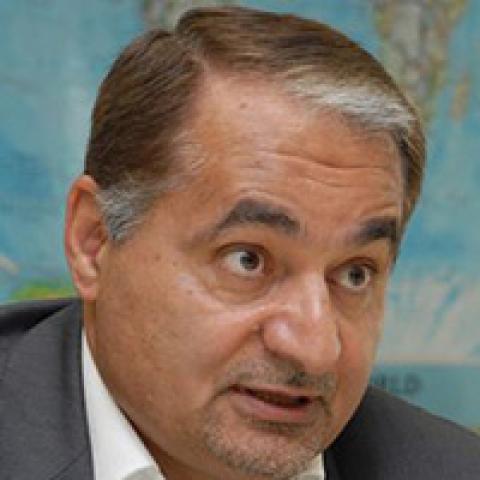

The talks between the five permanent members of the UN Security Council plus Germany and Iran are moving “very slowly and with difficulty,” Iran's Deputy Foreign Minister Abbas Araqchi said May 16 after the conclusion of the latest round of negotiations in Vienna. The next day, lead Iranian negotiator and Foreign Minister Mohammad Javad Zarif tweeted, “Back from Vienna after tough discussions. Agreement is possible. But illusions need to go. Opportunity shouldn't be missed again like in 2005.”
A comprehensive nuclear agreement between Iran and world powers, ending three decades of estrangement, hostility and sanctions, has never been closer, but it would be a tragedy if the current round of talks ended up on the list of missed opportunities between the United States and Iran, as I recount in my new book co-authored with Shahir Shahidsaless, "Iran and the United States: An Insider’s View on the Failed Past and the Road to Peace."
One of the most disappointing of these missed opportunities came after the al-Qaeda attack on the United States on Sept. 11, 2001. Iran was among the first countries to denounce the attack and offer condolences to the United States. “On behalf of the Iranian government and the nation, I condemn the hijacking attempts and terrorist attacks. … My deep sympathy goes out to the American nation,” said Iran’s then-President Mohammad Khatami.
In 2001, there began substantive negotiations between the Iranian and US governments, seeking avenues of cooperation on Afghanistan.


