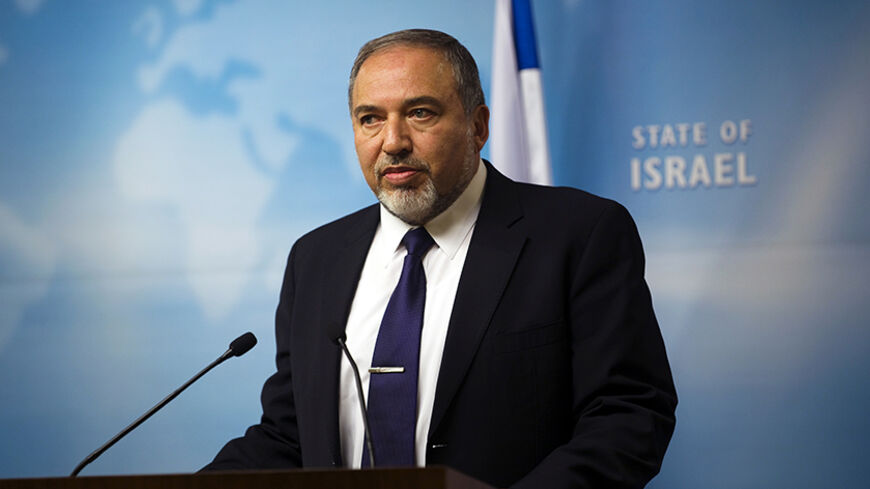
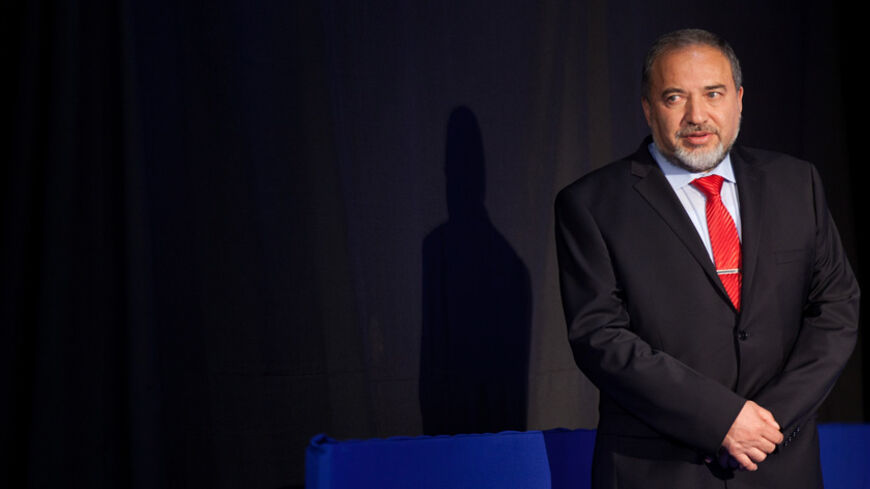
While the BBC was reporting on July 4 that a cease-fire between Israel and Hamas would take effect in a few hours, Foreign Minister Avigdor Liberman and the members of his Yisrael Beitenu Party were touring the southern, shelled town of Sderot. His visit, which received extensive media coverage, ended at a local coffee shop. Sitting there in a plain plastic chair, surrounded by curious local residents, he fired off a litany of complaints directed right at Prime Minister Benjamin Netanyahu's soft underbelly.
“The approach of 'quiet will be met with quiet' is very seriously mistaken, and I can say on my behalf and on behalf of the members of Yisrael Beitenu that we completely reject such an approach,” said Liberman in an obvious effort to paint Netanyahu as a weak leader who is afraid of a confrontation with Hamas. “It is unacceptable that after three of our children were kidnapped and murdered and after two consecutive weeks of rockets falling, Israel's approach would be that quiet will be met with quiet. … We in Yisrael Beitenu oppose to the cease-fire. There are no arrangements to be made with Hamas.” His stern remarks were more reminiscent of an attack from the opposition than the comments of the country’s foreign minister during a military escalation. These remarks more or less coincided with comments made by Minister Yair Shamir during an interview with Al-Monitor.
Three days later, Liberman convened a news conference to announce that his party’s partnership with the Likud was over. It turned out that his attacks on Netanyahu's restrained policy, as framed during his visit to Sderot, were just a well-planned opening salvo in a much larger plan of Liberman to distance himself from Netanyahu. It was a strategic political move, which in many ways set the current agenda for the Yisrael Beitenu Party and its leader in advance of the next elections. Liberman may not have quit the coalition, but what he did hardly strengthened it. If anything, it set off a stopwatch for its demise.
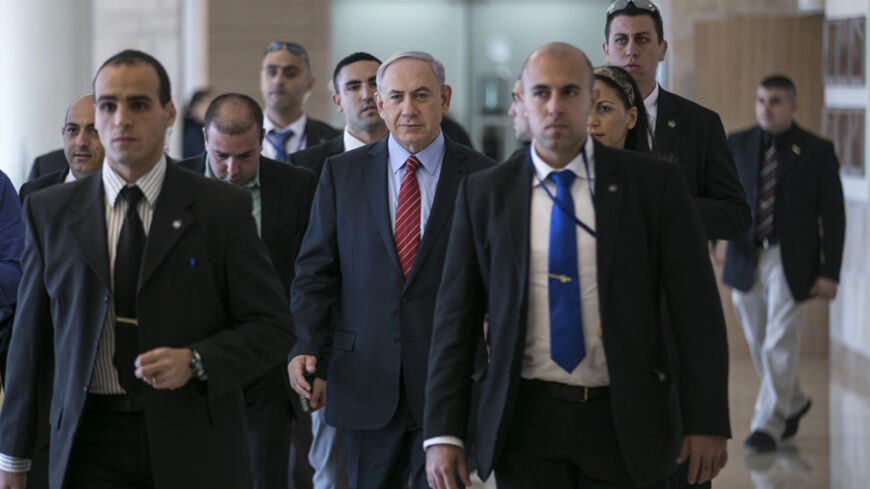
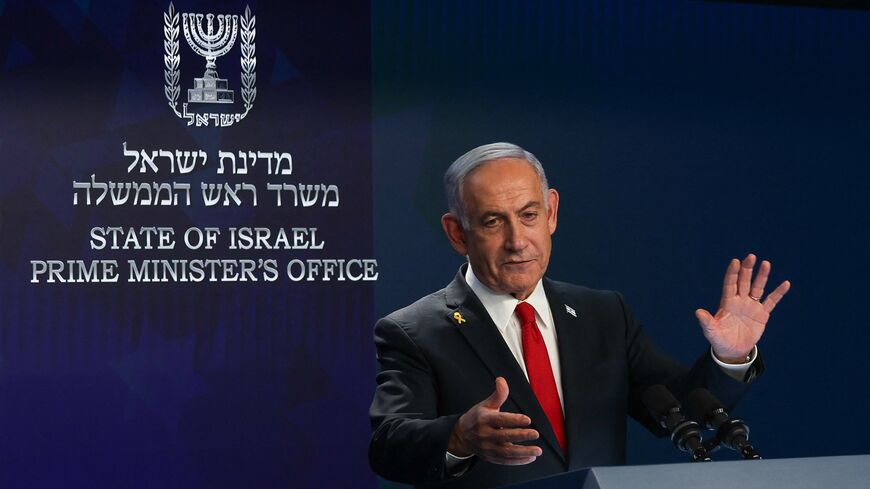
Netanyahu is a prime minister with no real allies in his coalition. He is threatened by Economy and Trade Minister Naftali Bennett on the right, and now by Liberman, with both men advocating a more forceful, violent operation in the Gaza Strip. From the center-left he is challenged on socioeconomic issues by Finance Minister Yair Lapid. All this, when contrary to previous years, Netanyahu does not have the Iranian nuclear agenda to cling to.
AL-MONITOR All-Access gives you unlimited access to all our journalism, the full Daily Briefing, exclusive interviews, premium newsletters, and live events — for less than $2/week.