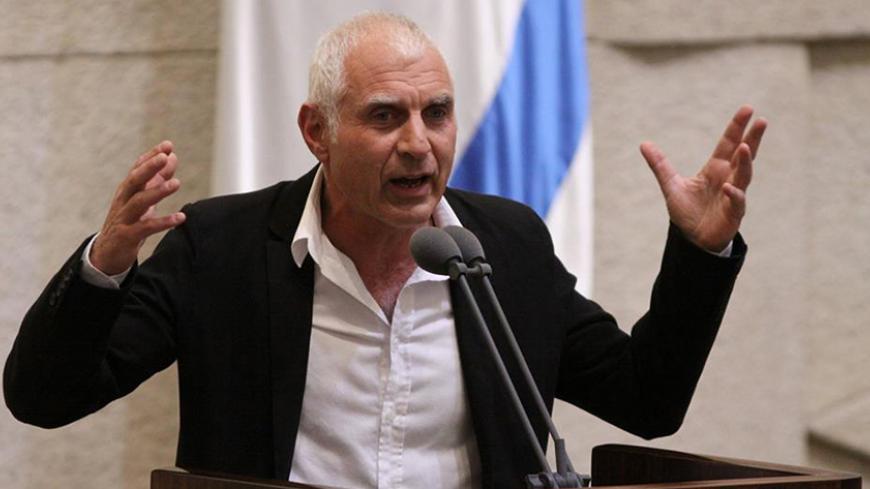
”I lost trust in Hamas a long time ago, but now I’ve also lost trust in all the statements made by the Cabinet and the government. … [The residents of the communities close to the Gaza Strip] will not return to their homes until the prime minister and all the ministers can show me that there is an agreement assuring that this will not happen again,” said Chaim Yellin, head of the Eshkol Regional Council. He made this statement during an interview he gave to Israeli TV Channel 2 News on Aug. 26 as yet another cease-fire went into effect.
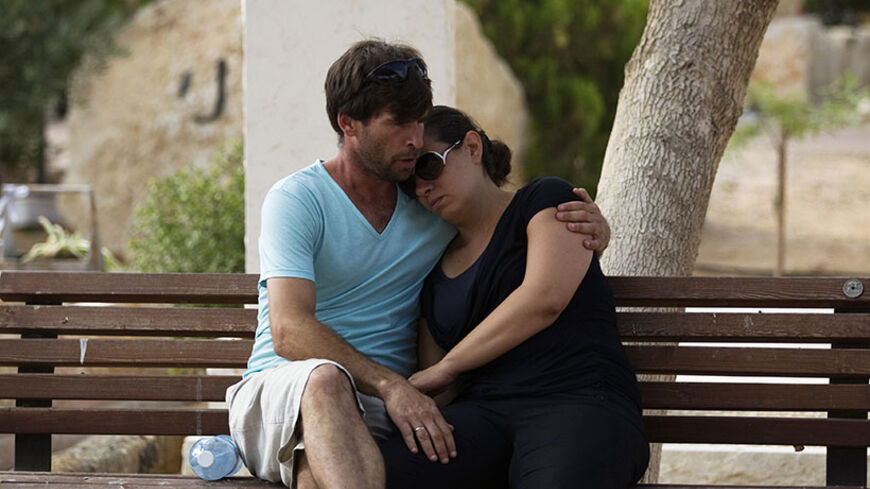
Yellin made these remarks while visiting kibbutz Nirim, where a mortar fell, killing kibbutz members Ze'ev Etzion and Shahar Melamed, just minutes before the recess in fighting. He sounded angry, exhausted and frustrated all at once. His statement was an authentic and accurate expression of what seems to be an unprecedented crisis of trust. On the one hand are the residents of the south and their local leaders, who have all suffered from incessant bombardments, and on the other is the government, particularly Prime Minister Benjamin Netanyahu and Defense Minister Moshe Ya’alon, who oversaw this campaign in the Gaza Strip and led the country to the current agreement.
Many of the people who lived along the Gaza border and abandoned their homes over the last few weeks say that they have no plans to return. Despite all the declarations that the fighting is over, the threat has not yet passed, at least as far as they are concerned. It is easy to understand their position. After seeing 11 cease-fires broken, including the relatively long one at the beginning, during which the chief of staff on Aug. 7 called on all the local residents to return to their homes, people living in proximity to the Gaza Strip no longer believe that the country’s leadership can provide them with the most basic level of safety. After toddler Daniel Tragerman's death from a mortar that was fired at kibbutz Nahal Oz, no one is willing to risk the lives of their children by returning to the south, as long as the cease-fire has not proved to be a long-standing and firm fact on the ground.
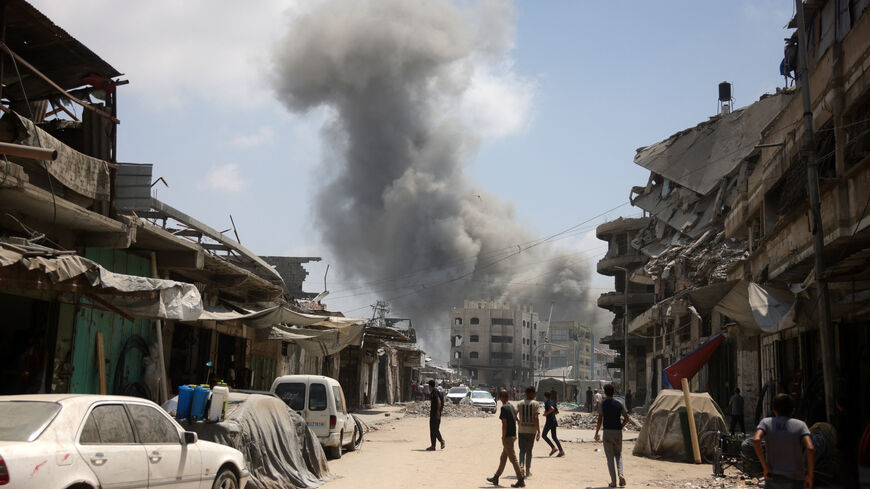
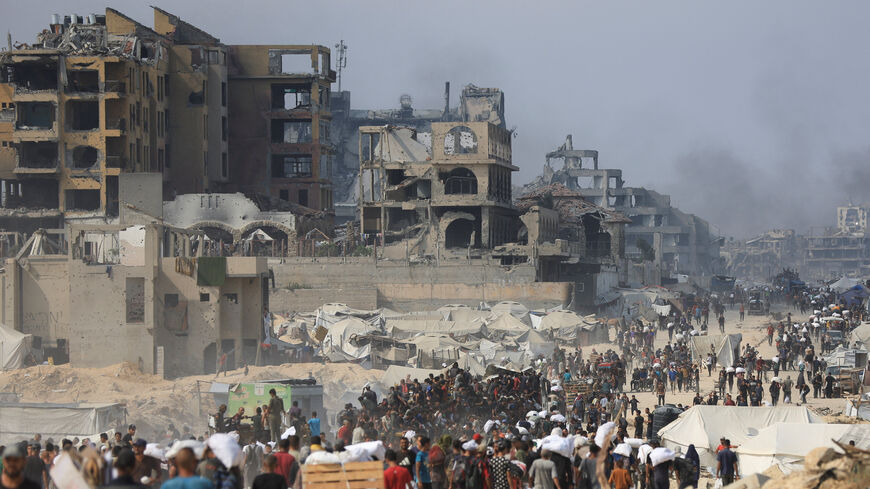
In that sense, the primary objective of Operation Protective Edge as declared by the prime minister — restoring peace and quiet to Israeli communities in the south — was never actually achieved. People living there still have no peace of mind, and only time will tell whether they have security.
AL-MONITOR All-Access gives you unlimited access to all our journalism, the full Daily Briefing, exclusive interviews, premium newsletters, and live events — for less than $2/week.