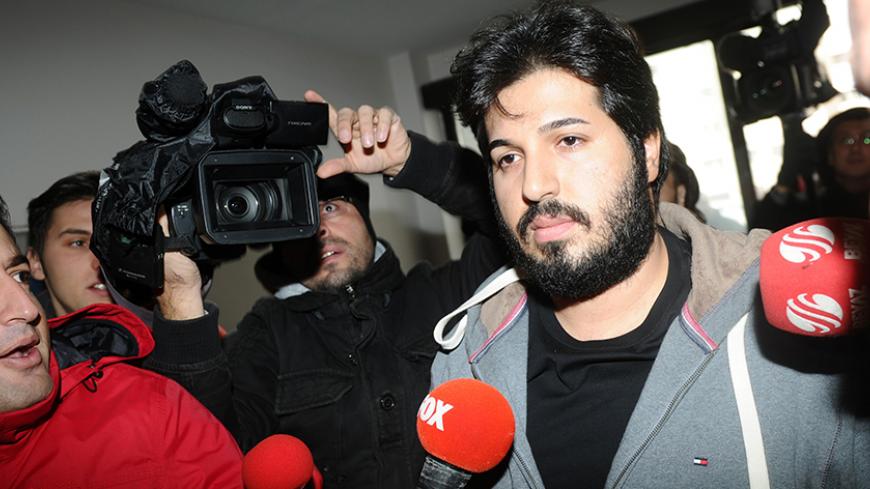
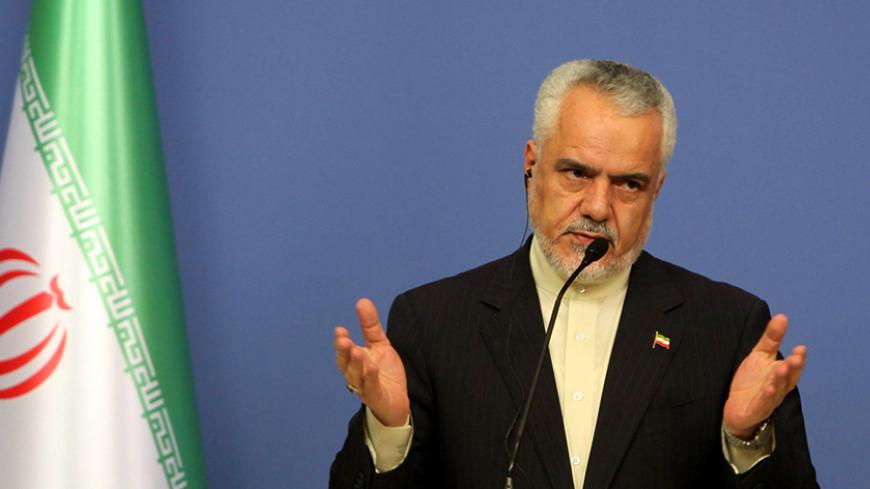
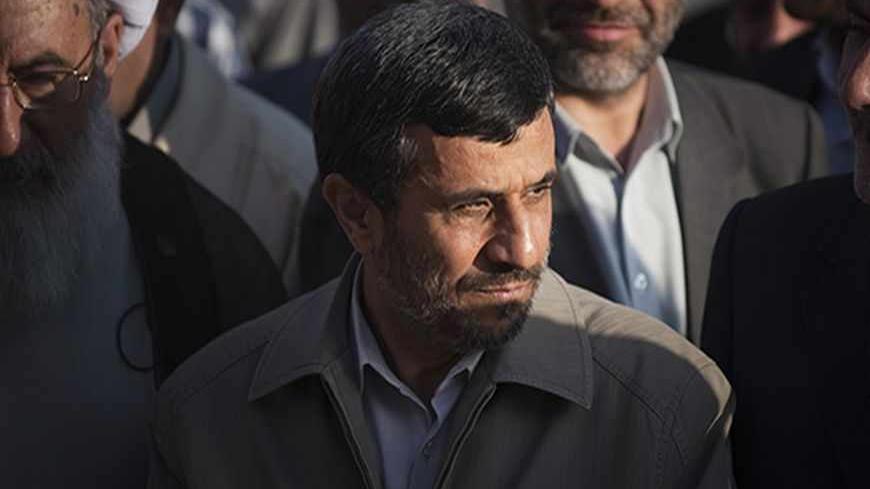
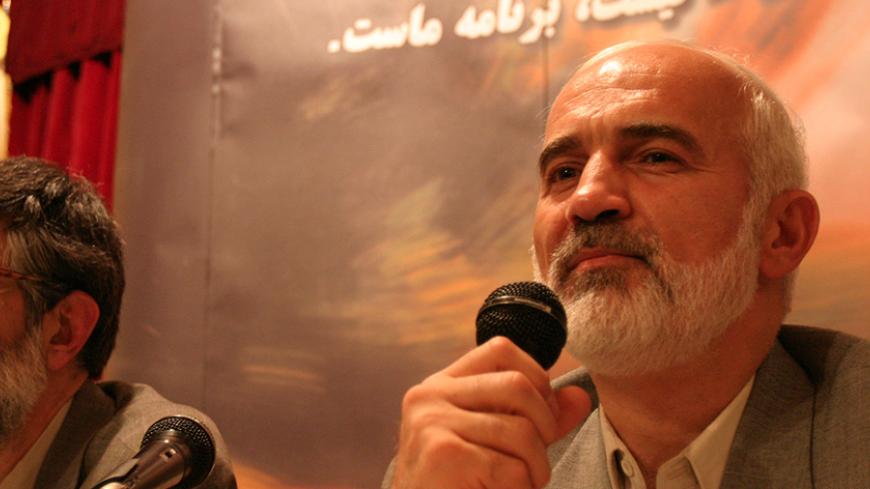
Iran’s judiciary this month sentenced former First Vice President Mohammad Reza Rahimi to jail time for undisclosed corruption charges, the biggest scalp yet pulled from the Mahmoud Ahmadinejad cadre.
Accusations of corruption in Iran rarely result in a conviction, unless there is a political interest in making them public. In this case, Supreme Leader Ayatollah Ali Khamenei, who effectively controls the levers of justice in Iran, “has permitted Rahimi’s conviction, albeit without disclosing his crimes, to let out some steam and to try and convince the public that the system is taking corruption seriously,” a Tehran-based analyst, speaking on condition of anonymity, told Al-Monitor.
But Rahimi, a system insider, is unlikely to face serious reprimand — misuse of funds in Iran usually occurs with the help of or within powerful networks. He will likely have leverage to negotiate a lighter sentence with the judiciary.
His conviction was in part made necessary because of the narrative woven by Hassan Rouhani's new administration that the economic ills it inherited (-5.4% growth and 44% year-on-year inflation) were due to unprecedented corruption under Ahmadinejad. It's Ahmadinejad's people who should be blamed for the bitter medicine Iran must swallow, such as subsidy reform and austerity
AL-MONITOR All-Access gives you unlimited access to all our journalism, the full Daily Briefing, exclusive interviews, premium newsletters, and live events — for less than $2/week.