Tunisia’s borders open ground for smuggling
A lack of border control by Tunisian authorities has resulted in a boom in black market operations along its borders, posing a potential security threat to the country.
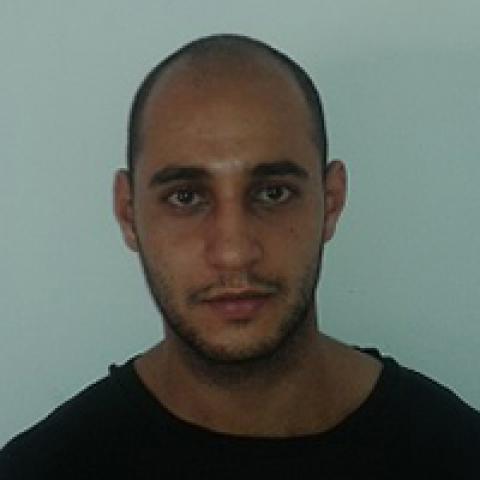

KASSERINE, Tunisia — Waiting until sundown, Bazz drove onto an empty desert road just beyond Farianna, a Tunisian village on the Algerian border. While making his way back hours later, he saw an unmarked truck signaling him from the opposite direction.
“These are the roads where we do business,” the 24-year-old smuggler with short black hair, a faint mustache and short beard told Al-Monitor with a smile. “If a truck signals left that means there aren’t any officers ahead. If it signal’s right, then we need to drive off the main road immediately.”
Bazz, who wouldn’t disclose his last name, is one of hundreds of people smuggling goods on the border towns of Tunisia. A graduate of computer engineering, he says that crippling unemployment and high taxes on imported goods have pushed entire communities to work in the contraband market.
Once controlled by select cartels under Zine El Abidine Ben Ali — Tunisia’s former dictator, overthrown by the country’s 2011 revolution — the contraband market has since opened up to residents from all parts of the country.


