Israeli art fair aims to attract new collectors
The Fresh Paint contemporary art fair, which opened this week in Tel Aviv, offers art lovers a chance to acquire Israeli works of art at reasonable prices, while introducing a new generation of up-and-coming young artists.
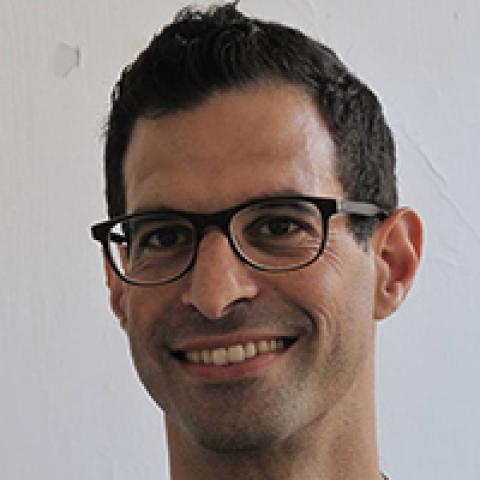

Itamar Inbar stands proudly before his wall at the incubator for independent artists. The recent graduate from the Shenkar College of Engineering, Design and Art is participating in Tel Aviv’s seventh annual Fresh Paint contemporary art fair (Nov. 4-8).
Hanging on his wall are two glass works decorated with delicate sketches. Inbar, however, is focused on two green stickers that have recently been added to two of his works. A green dot means that someone has expressed an interest in buying the piece. A red dot means that it is already sold. After many years at random jobs — like so many Israeli artists at the start of their careers — this is the first time that Inbar is about to sell his art and earn some money from his creative work.
This is not the first time that he displayed these pieces though. They were already exhibited in the Herzliya Museum, but in a slightly different format, incorporating video. Back then, he failed to sell a single piece. Now that they are hanging on a wall, however, their commercial potential is much higher. “As a young artist, it is important for me to get a feel for what a commercial art fair is like,” he said. “The money is important because I want to be an artist and spent my time in the studio. I don’t want to work as a waiter or as a graphic artist for a newspaper.”
It’s not easy to make a living as an artist in Israel, where art is perhaps considered a luxury. The market is limited to a handful of collectors, who have cut back on their spending in the past few years. The Israeli middle class gets upset that a Milky chocolate pudding treat costs 50 cents more here than it does in Germany, and it has no qualms about mobs of people dashing out to buy the iPhone 6 at one of the highest prices in the world. On the other hand, it is in no hurry to invest a similar sum in a piece of art.


