Libya’s southwest is a beautiful landscape of sand dunes and small oases. However, reality on the ground can be confusing and deadly. The strategic and geopolitical importance of Fezzan, the Roman name given to the region, is seldom highlighted — its importance is directly related to the survival of Libya as a state. As fighting continues on the coast, in Tripoli and Benghazi, the bottom of the Libyan state may fall out, seemingly unnoticed.
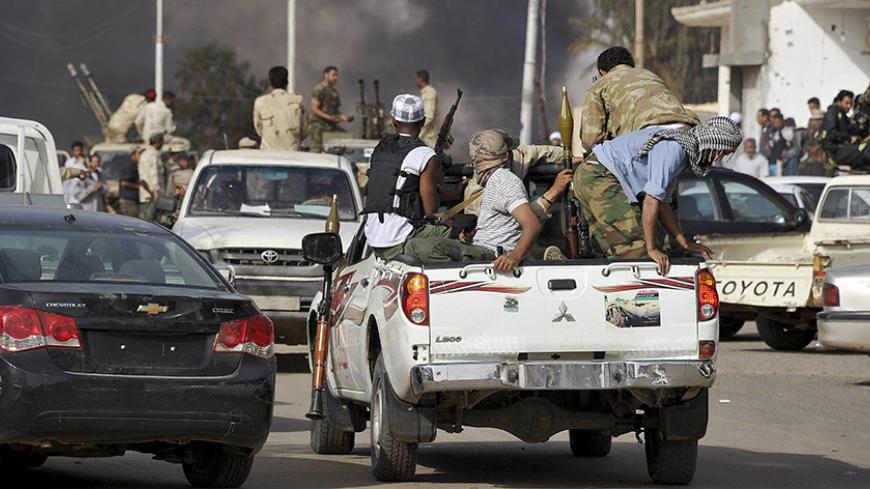
Southwestern Libya has seldom been a peaceful place. Moammar Gadhafi managed to keep “order” by pitting tribes against each other and creating a social hierarchy where his own Gadhatfa tribe controlled most things economically. In this tribal/state social experiment, acts of violence were common and often sanctioned by the state, or what could be considered a state-like apparatus consisting of various departments, committees, tribes and individuals.
After the Libyan revolution in 2011 and the fall of the Gadhatfa tribe in the south, tribes like Awlad Suleiman, native to the Fezzan, but also with links to Sudan and Chad, took over some of Gadhatfa’s old territory and business. Smuggling and other forms of “informal” business changed hands without major disturbances in the routes and the ways of doing business.
Southern Libya found itself in a very different political and strategic situation after the 2011 revolution. Although many felt that the southern tribal society would be strong enough to withstand the tumultuous future of Libya without a strongman, the tribal fighting and the rise of international terrorism have become major obstacles for a peaceful future.
AL-MONITOR All-Access gives you unlimited access to all our journalism, the full Daily Briefing, exclusive interviews, premium newsletters, and live events — for less than $2/week.