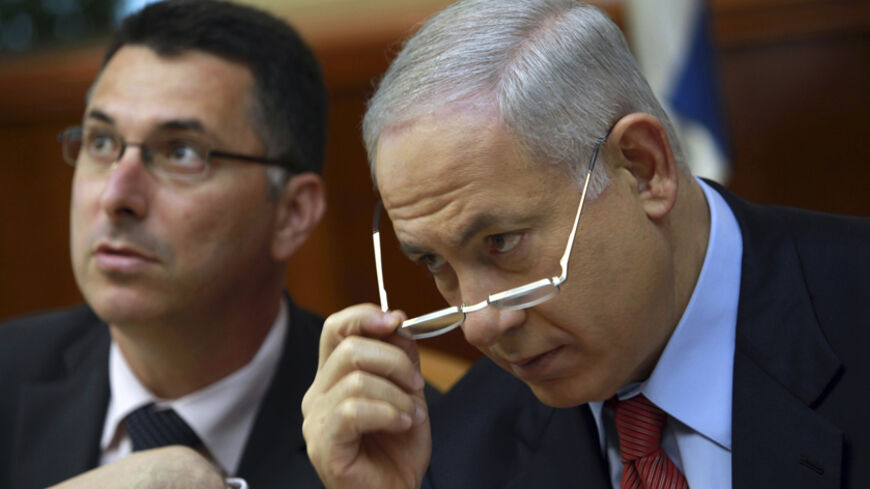
Public opinion polls just conducted in Israel indicate a steep drop in the popularity of Prime Minister Benjamin Netanyahu. It may be a temporary process, it may be a transient phase, but as of this very moment the numbers do not lie and reflect a clear trend. Support for Netanyahu is in steep decline.
The results of two surveys publicized in Israel, one for the “HaMate” program on Israeli TV Channel 10 and the other for the Knesset TV Channel (“Panels”), point to an amazing fact: more than 60% of the Israeli public does not want Netanyahu to serve another term as prime minister. Almost two-thirds of the Israeli electorate have had enough of Netanyahu. Netanyahu’s key strong point is rooted in the popular question asked in Israeli polls: The respondents are asked regarding the suitability of various candidates for the premiership role. Until recently, Netanyahu led on this question with a tremendous gap over his competitors. His score ranged around 45-50%, while his competitors were in single digits. But in the last poll by the Knesset channel on Oct. 29, the percentage of “suitable for the position” voters dropped drastically to only 27% (in comparison, Netanyahu garnered 48% after the Protective Edge campaign). The man lost half of his support within a few weeks.
And the tidings aren’t encouraging for the premier regarding the number of Knesset seats that Netanyahu’s Likud Party is likely to receive: At the moment, the Likud would win only 21 seats. In addition, the Likud historically tends to lose around four additional seats in the course of the Knesset election campaign (due to the problematic primaries process and an anti-Netanyahu campaign). In such a setup, it would be altogether possible that, should Knesset elections be held in a few months, Netanyahu might win only 15 to 17 seats. With such a result, it is doubtful that he would be able to assemble a government.
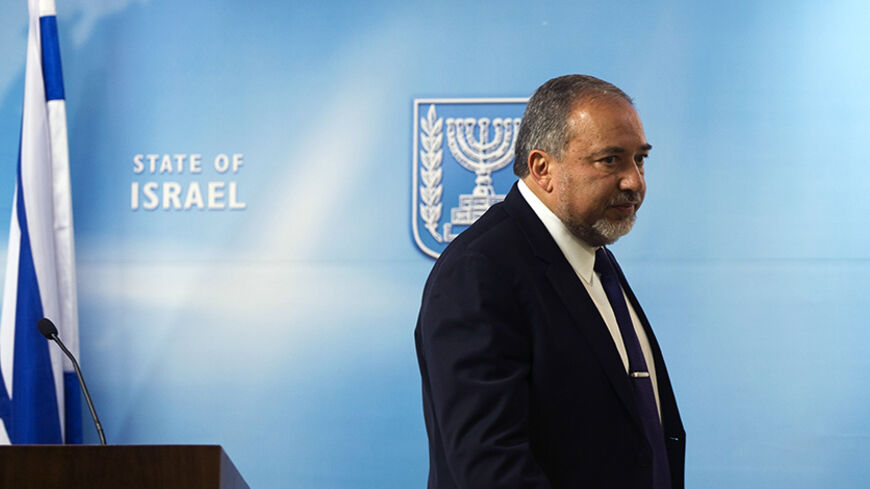
On Nov. 3, popular Likud Interior Minister Gideon Saar submitted his resignation from the government and the Knesset. Saar is yet another one to resign in disappointment over Netanyahu’s conduct. His resignation lowers the Likud seats in the current Knesset from 19 to 18. The person benefiting from the free-for-all is Foreign Minister Avigdor Liberman: The next in line in the joint Knesset list would be a Knesset member from his party. Since the joint Liberman-Netanyahu list has been dismantled, Netanyahu now has only 18 seats in the Israeli parliament. Meanwhile, Finance Minister Yair Lapid, leader of the Yesh Atid faction, has 19 seats. Behold the wonders of Israeli politics: The Likud is no longer the largest party in the Knesset.
AL-MONITOR All-Access gives you unlimited access to all our journalism, the full Daily Briefing, exclusive interviews, premium newsletters, and live events — for less than $2/week.