Politics strain Turkey's first Kurdish-language institute
Turkey’s first Kurdish-language institute has been torn between the government and the Kurdish movement, while attracting scholars from all four parts of Kurdistan.
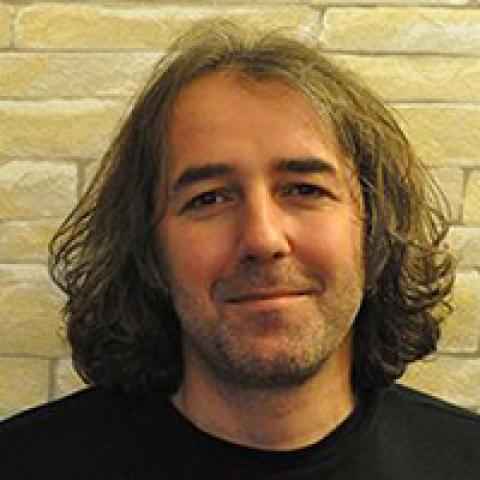

The Institute of Living Languages, founded in 2010 at Artuklu University in Turkey’s southeastern city of Mardin, was one of Ankara’s most tangible steps in efforts to resolve the Kurdish problem. It became Turkey’s first Kurdiology department and the first to teach the Syriac language. Described as a “revolution” by President Recep Tayyip Erdogan, the institute has been a glimmer of hope amid the many snags hampering the Kurdish peace process.
Yet, the institute has faced obstacles and threats ever since its foundation, and has irked both Ankara and the Kurdish movement. The government was annoyed by the profile of the institute’s academic staff and the aspiring teachers it trained as well as the invitation extended to dissident journalists for its first graduation ceremony. The Kurdish movement, for its part, saw the institute as a government tactic to dilute their demands for full-fledged education in the Kurdish language. The project infuriated also the deep state’s apparatus, haunted by hysteria that Turkey was being dragged into partition.
Al-Monitor has learned that the security forces made their discontent known in various ways and the institute’s administrators received anonymous threat letters.
Security clearance investigations of Kurdiology students reflected the level of resistance against the Kurdish opening in the state establishment. In 2012, 480 out of 500 students admitted on the basis of their command of the Kurdish language and literature were deemed objectionable because of their political leanings. Eventually an investigation of institute Director Kadri Yildirim began, on allegations the institute was selecting its staff from among supporters of the Kurdistan Workers Party (PKK) and the pro-Kurdish Peace and Democracy Party (BDP).


