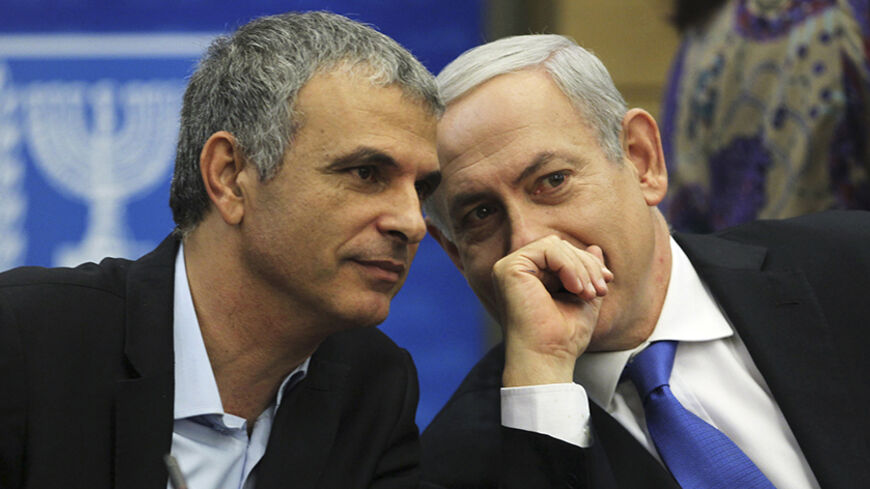
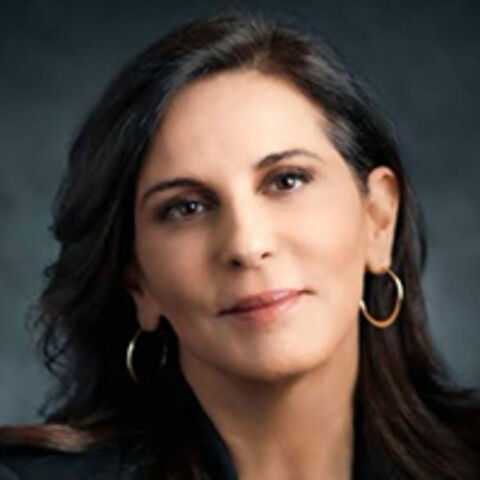
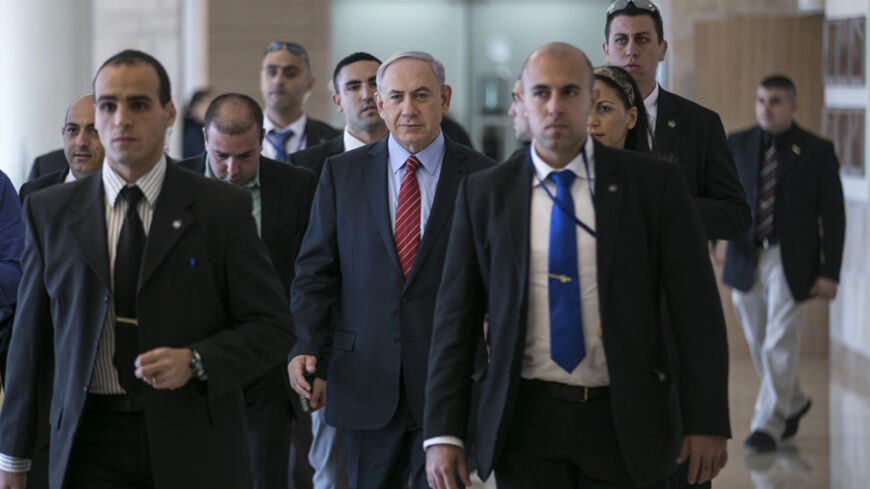
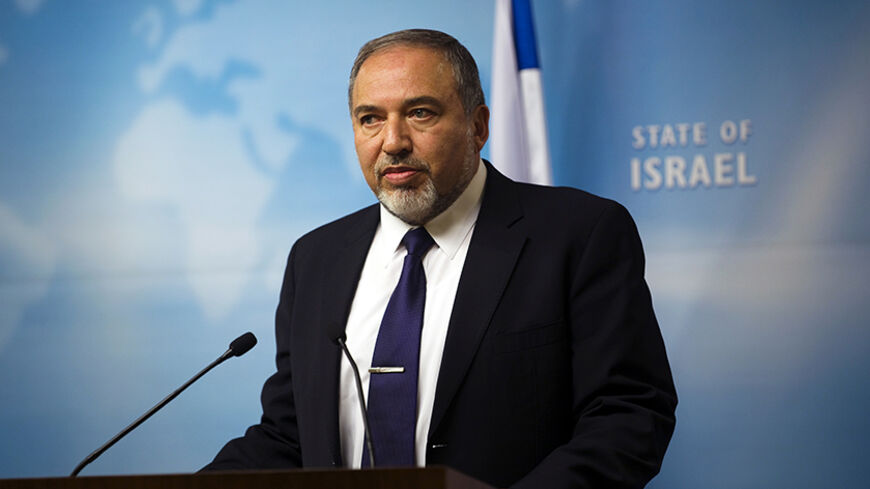
General elections are only three months away — March 17, 2015 — and the political uproar in Israel has broken its own records. Labor Party Chairman Isaac (Bogie) Herzog and the laid-off Justice Minister Tzipi Livni from the Hatnua Party organized a news conference the night of Dec. 10 in which they announced the unification of their Knesset lists and running jointly in the upcoming elections. As of this moment, the polls predict a narrow victory for this list over Prime Minister Benjamin Netanyahu’s Likud.
The surprise that Herzog and Livni kept under wraps until the very last minute was earthshaking. If the public votes for us, the duo announced, then Herzog would be prime minister for the first two years of the term and Livni for the subsequent two years. Israel has never seen such a thing before. One rotation government did serve in Israel in the 1980s (former President Shimon Peres and the late Prime Minister Yitzhak Shamir), but that rotation resulted from a tie between the two large parties. At the time, the Labor and Likud parties each garnered over 40 seats, and did not need additional parties to form a coalition. Today, the large parties have lost half their strength. Herzog and Livni would have to add four parties to a future coalition if they want to form a government together.
But the real precedent-setting reality never encountered before by the Israeli public is a two-headed party whose two leaders promise to divide up the term of office of premier equally. Just imagine an Obama-Biden ticket in which the two of them share the presidency, two years for each. How will the Israeli public digest such a proposal? Will Israeli voters, who usually go to the polling booth to vote for a specific candidate (and ignore the rest of the long list), put their faith in a method in which two politicians divide up their chickens before they’ve hatched, and offer joint leadership? This is one of the questions that will decide the coming elections.
The “affair” between Herzog and Livni began many months ago. It was conducted in the dark and then put under the spotlight on their way to the Saban Forum of the Brookings Institution in Washington on Dec. 6. They even uploaded a joint picture to Instagram and Facebook from the El Al airport lounge. Former Finance Minister Yair Lapid also courted Livni but much less enthusiastically than Herzog; the latter behaved like a prep-school boy who, for the first time in his life, falls in love with the prettiest girl in the class. Over the last few weeks, Herzog has talked about the need “to set aside one’s personal ego” and now we understand what he was referring to. Conceding half of the kingdom to Livni, even though the polls show that she won’t bring more than four seats, could be the tie-breaker of the elections. Or, it could turn out to be the most extravagant own goal ever scored during a campaign. Maybe the public will love it, maybe it will scare them off. Next week’s opinion polls will show which way the winds are blowing.
AL-MONITOR All-Access gives you unlimited access to all our journalism, the full Daily Briefing, exclusive interviews, premium newsletters, and live events — for less than $2/week.