Iran's Zarif backed by foreign policy heavyweight
Iranian diplomat Sadegh Kharazi, who has recently received permission to start his own political party and has family ties to Supreme Leader Ayatollah Ali Khamenei, has thrown his support behind the nuclear talks.
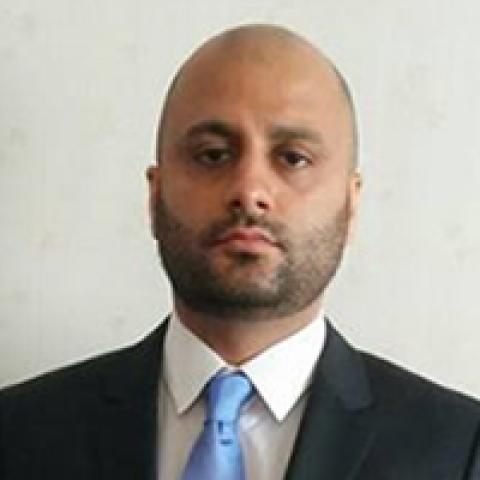

In Iran, foreign policy heavyweight Sadegh Kharazi has come out in strong support of the country’s nuclear negotiating team. The head of the newly founded Reformist Voice of Iranians party, and former envoy to France, expressed his stance in a two-hour live TV debate with member of parliament Alireza Zakani.
Kharazi is a nephew of former Foreign Minister Kamal Kharazi, who is now foreign policy adviser to Supreme Leader Ayatollah Ali Khamenei. The younger Kharazi also has family ties to Ayatollah Khamenei; his sister is Khamenei's daughter-in-law. To Western audiences, Kharazi is perhaps best known as a key figure behind the fabled “2003 grand bargain proposal” to the United States.
While the former Iranian envoy on occasion writes about the nuclear negotiations, this is the first time in years that he has appeared on national TV to directly confront conservatives.
Kharazi began the debate by arguing that Washington is not a monolith. He blamed what he referred to as the discrepancy between “America’s words and deeds” on Congress, Israel and Arab states. Yet, he argued that conflict with the United States won’t come to an end, even if the nuclear issue is resolved.


