One man's return to Gaza
In an interview with Al-Monitor, the journalist Majdi Arbid, who fled Gaza eight years ago, tells of the dire situation he encountered when he returned.
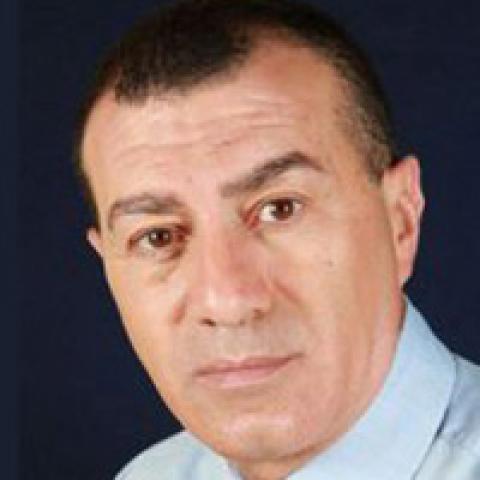

That the situation in Gaza is serious is a well-known, indisputable fact. The leitmotif of countless reports is the plight, poverty, anxiety and suffering of the people. The testimony I’ve heard from my friend Majdi Arbid, who returned to the Gaza Strip after an eight-year absence, is especially unique and heartrending.
Majdi was the photographer I worked with when I covered Gaza during the second intifada, 2000-2005. Back then, he was also the owner of the al-Huriyah (Freedom) radio station, which employed dozens of people broadcasting news, current affairs and entertainment programs. We used to crisscross the Gaza Strip together until Majdi was forced to flee by the skin of his teeth during the 2006 Hamas coup, because his radio station was airing messages against the movement’s policies.
Two weeks ago, Majdi's father passed away. Despite having serious hesitation, he asked to return to Gaza to attend the funeral. Even now, several days after having returned to his new home in Ramallah, his voice is faint. Haunted, he can’t sleep a wink. Majdi is unable to shake the images of his family, friends and neighbors who have been scarred physically and emotionally by poverty and wars. According to him, they’ve become different people, a shadow of themselves. Seeing them face to face, it seems, was far more powerful than any newscast he had seen.
The following are verbatim observations Majdi conveyed to me by phone. This is Gaza today from the perspective of a man who fled from it eight years ago and who is horrified by what he saw upon his return.


