Parliamentary presence sticking point for Lebanon's women
Although Lebanon is considered a pioneer country in terms of female empowerment, women are still timidly represented in politics, as these usually access parliament following the death of their relatives.
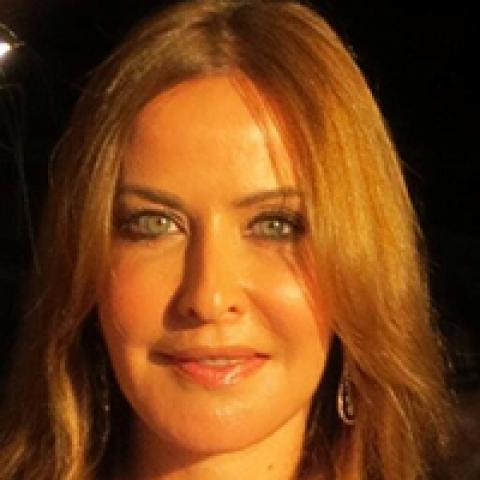

Only a small number of women have made it into Lebanese politics, and often after the death of a relative. Illustrating this point is the popular saying that Lebanese women enter parliament wearing black. In spite of its relative openness, Lebanese society is still dominated by a patriarchal culture, which makes the path to government positions and parliament a daunting challenge for most women.
Only four women belong to the current Lebanese parliament, comprised of 128 members: Sethrida Geagea, who is the member of parliament for the Bcharre region; Gilberte Zwein, who has earned her place by running in Keserwan on the ticket of Gen. Michel Aoun, who heads the Change and Reform bloc; Bahia Hariri, who is a Saida member of parliament and member of the Sunni Future Movement; and Nayla Tueni, who won the Greek Orthodox seat in Beirut.
According to the media, only 12 out of the 587 parliamentary candidates were women in 2009. According to journalist Emile Khouri, the current government includes one woman, Judge Alice Chaptini, while four other women held such positions, namely Rayya al-Hassan as finance minister in 2009, Bahia Hariri as minister of education in 2009, Nayla Moawad as minister of social affairs in 2005 and Leila al-Solh as industry minister in 2004.
After being among the leaders of women empowerment in the Middle East when Lebanese suffrage was extended to women in 1952, Lebanon has fallen back on progress in terms of women rights. With only 3.1% of its parliamentary seats currently occupied by women, Lebanon has the same proportion as the Islamic Republic of Iran, and lags behind Kuwait (6.2%) and Jordan (12%).


