Khamenei adviser visits Beirut
During a visit to Beirut, Ali Akbar Velayati, an adviser to Iran’s supreme leader, expressed his country’s appreciation to the achievements of Hezbollah in the Qalamoun area, while stressing that Iran will not interfere in internal Lebanese issues.
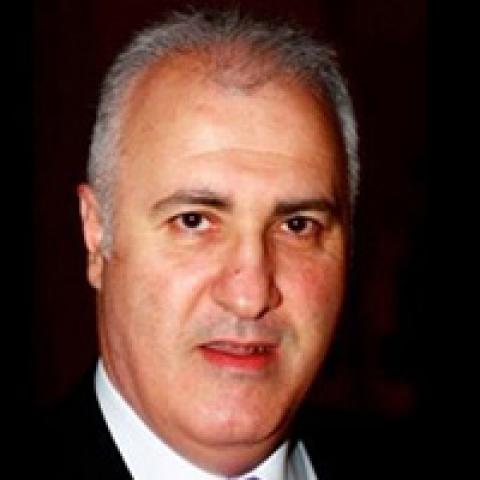

BEIRUT, Lebanon — Without any stated reason or announced goal, on May 18, Ali Akbar Velayati, an adviser to Iran’s Supreme Leader Ayatollah Ali Khamenei, arrived in Beirut for a two-day visit. Velayati, who is a former minister of foreign affairs, met with a number of officials, including Lebanese Prime Minister Tammam Salam, the speaker of parliament, Nabih Berri, and Foreign Minister Gebran Bassil. Velayati made press statements that included nothing of note aside from his announcement that his country is proud of what Hezbollah fighters had achieved in their battle against terrorist militants in the Qalamoun area between Lebanon and Syria, during which Hezbollah made great advances between May 5 and May 16.
However, one of those who met with the Iranian official during his visit to Lebanon, speaking on condition of anonymity, confirmed to Al-Monitor that Velayati came bearing a few specific and concise messages. First, according to the source, he noted that his country is heading toward a fixed agreement with the Americans on the nuclear issue, without revealing any details in this regard, neither about the content of the agreement nor its potential results. However, Velayati was keen to stress two things to his hosts about this issue: First, the time needed to ratify the Iranian-US agreement could be relatively long, and may take more than a matter of weeks. Second, this agreement will not include any Iranian concessions on regional issues that concern Tehran, according to Velayati.
From this angle, the Iranian official addressed the subject of Syria in his dialogues in Beirut. He stressed that any talk about a potential deal entered into by Tehran at the expense of its ally, President Bashar al-Assad, in Damascus was untrue. Velayati expressed his belief that the military situation of the Syrian government on the ground was good, especially following the progress made by the Syrian army and Hezbollah fighters in the Syrian and Lebanese parts of the Qalamoun region.
Velayati, according to the source, noted Tehran’s confidence that the coming period will witness more military progress for the Syrian army in its confrontations with militants. He seemed certain that the army would succeed in regaining control of Idlib and Jisr al-Shughur in northern Syria in the near future, pointing out that this will be accompanied by a series of similar steps achieved by the so-called “axis of resistance” throughout the region. Meanwhile, other victories will be made in Iraq and the counter-axis will face setbacks in Yemen, according to the source.


