Are Reformists, Rouhani heading for split?
After supporting Hassan Rouhani in the presidential elections, Reformists expect Rouhani to repay them with support in the parliamentary elections, but that may not be the case.
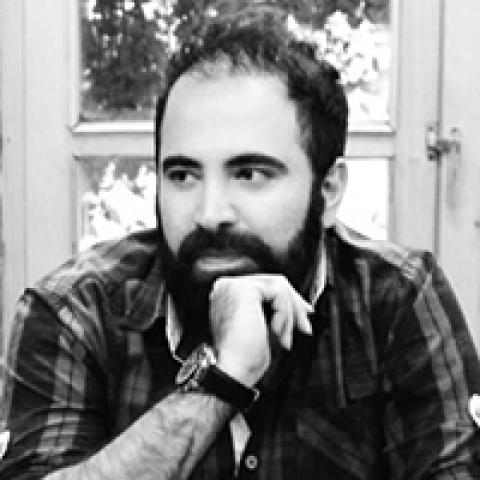

“Without the Reformists’ support, Mr. Rouhani would have gotten less than 2 million votes,” said Sadegh Zibakalam, professor of political science at the University of Tehran, speaking on May 5 about the June 2013 presidential elections.
Zibakalam played an active role in Hassan Rouhani’s presidential campaign and was even featured in a television documentary encouraging people to vote for Rouhani. The push by Reformists during the last few days leading up to the elections resulted in Rouhani getting more than 50% of the votes in the first round. Perhaps the most important of these developments was when, after pressure from the Reformist former President Mohammad Khatami, Mohammad-Reza Aref (the Reformist candidate) withdrew from the race in favor of Rouhani.
This is while, in the Principlist camp, all the candidates — Saeed Jalili, Mohammad Bagher Ghalibaf, Ali Akbar Velayati and Mohsen Rezaee — stayed in the race until the very end. This lack of cooperation between the Principlist candidates was perhaps one of the main reasons behind Rouhani’s success. During the last few days before the 2013 presidential elections, the now deceased chairman of the Assembly of Experts, Ayatollah Mohammad Reza Mahdavi Kani, who was also considered to be the spiritual father of the Principlists, wrote a private letter, which has recently been made available to the press, to Velayati, warning him about the possibility of the Reformists winning the elections and asking him to withdraw from the race in favor of another Principlist candidate.
After coming to office, Rouhani, who advocated “moderation,” has chosen the members of his Cabinet from both the Reformist and Principlist camps. Now, with the parliamentary elections approaching in February 2016, he is faced with the problem of having to choose which side he will lean closer to.


