Why Iraq needs to depoliticize their Popular Mobilization Units
Iraq’s Popular Mobilization Units are made up of several groups whose political interests differ, clashing sometimes, which is causing the units to shift focus from the most urgent need — fighting the Islamic State.
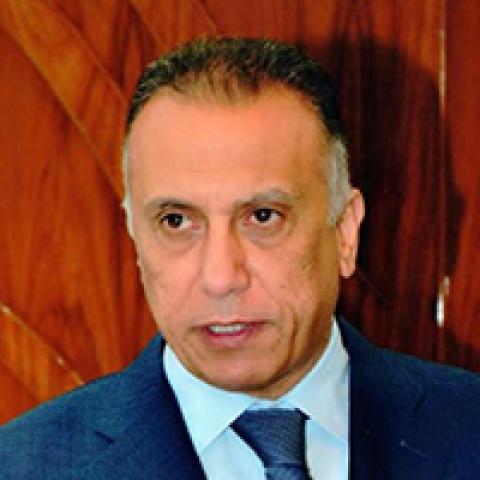

The prevailing confusion in Iraq and abroad over the role of the Popular Mobilization Units in the military operations and impact on the present and future political decisions in Iraq can be explained by this military force — which consists of volunteers and members of armed groups — having been so far the most efficient force in countering the Islamic State (IS), as it succeeded in shrinking the risks of a possible IS expansion to Baghdad and southern Iraq.
Despite the misunderstanding and conflicting information on the units’ nature and activities, its legitimacy derives from “the righteous jihad” fatwa that was issued June 2014 by the highest Shiite authority in Iraq, Grand Ayatollah Ali al-Sistani.
The fatwa states that Iraqi citizens who are able to take up arms should volunteer in the ranks of the security forces to defend the country. However, there are some who considered the fatwa a call for Shiites to take up arms against the Sunnis, despite the fact that the fatwa identified thwarting the terrorist threat as a collective responsibility and not the responsibility of a specific sect or party.
The Popular Mobilization Units' success in halting IS expansion and reclaiming important parts of southern Baghdad, Diyala and Salahuddin has endowed it with extra legitimacy, which was needed in light of the Iraqi army’s defeat, when Mosul fell into the hands of IS on June 10, 2014.


