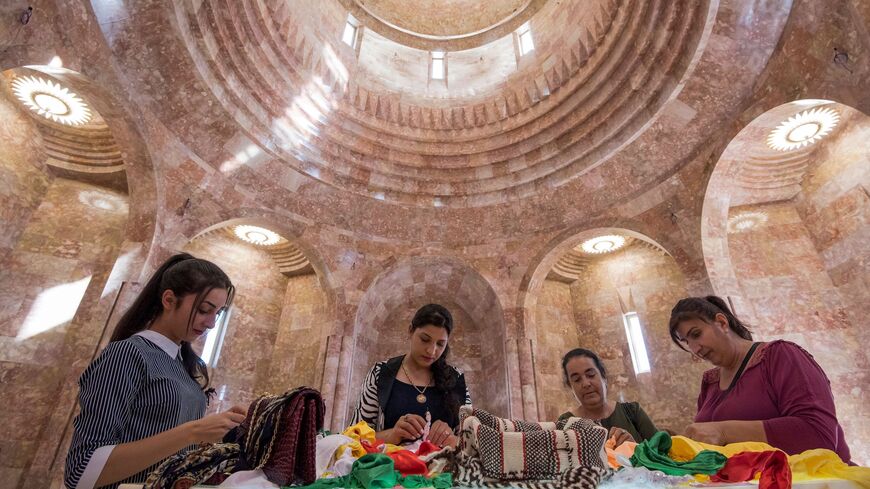
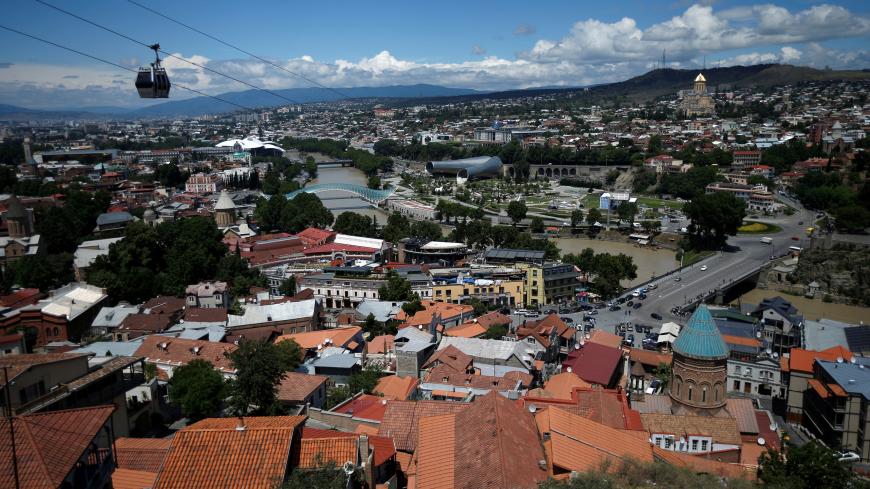
TBILISI, Georgia — A steady stream of visitors spilled from the marble entrance of the Yazidi temple on Aug. 3 in Varketili, a suburb of the Georgian capital. Opened this June, the Sultan Yazid Temple is only one of a handful of Yazidi places of worship in the world. The Yazidi community was out in force that day to mark the first anniversary of the Islamic State’s (IS) genocidal attack against them in Iraq.
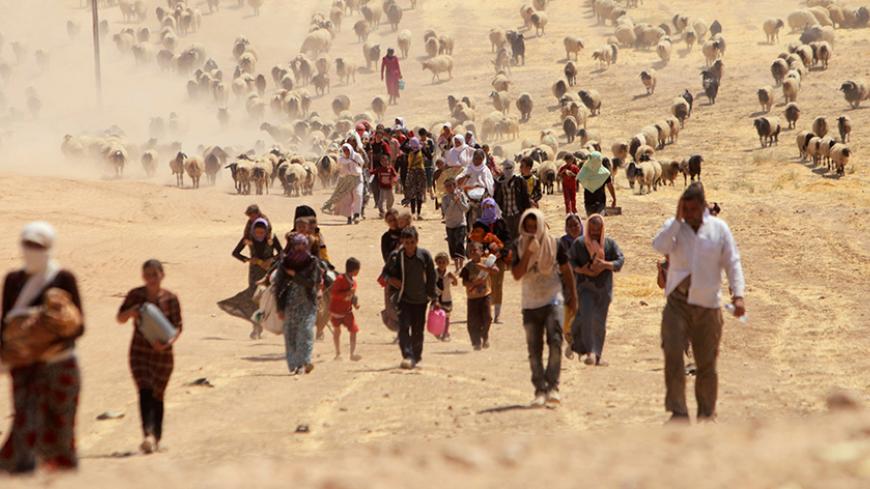
Following Mosul's fall to IS, in August 2014 the extremist group's fighters descended on the predominantly Yazidi area of northern Iraq. As the world watched, IS slaughtered some 3,000 Yazidi men and abducted 5,000 women and children. Thousands of fleeing Yazidis remained stranded in the desolate Sinjar Mountains as IS continued working toward the systematic eradication of religious minorities in Iraq and Syria. To commemorate this episode in Yazidi history, in the community center adjacent to the new temple in Tbilisi, Yazidis and representatives of other confessions held flowers and candles in honor of the victims. Their photographs lined the walls. Some are depicted just seconds before their execution.
The Yazidis are an ancient people native to what is now northern Iraq and Syria. Estimates of their actual number vary widely, typically between 300,000 and 700,000. The Yazidis share many elements of their culture, including their language, with the majority-Muslim Kurds, with whom they are often controversially identified. Kurds themselves tend to see Yazidis as one of their own but of a different religious background, and a great deal of Western scholarly opinion holds a similar view given their common material culture and language.
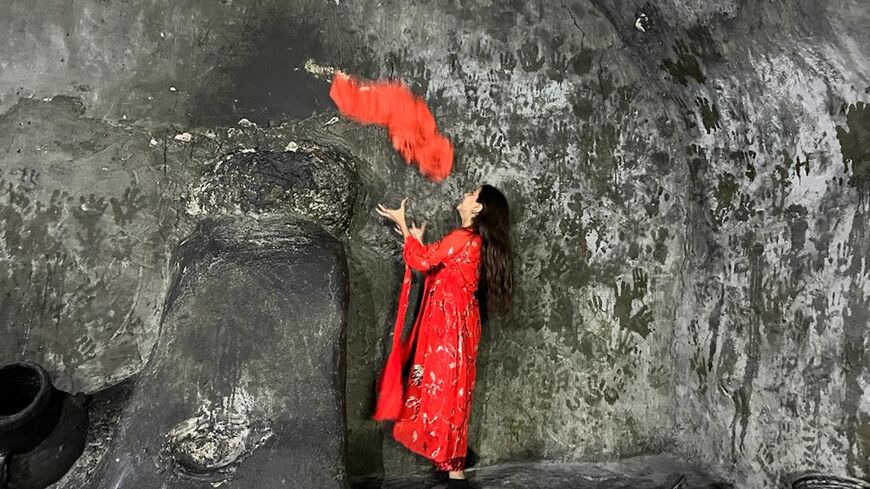
Yazidis profess a syncretic faith, sharing many traditions with Christianity, Islam and Zoroastrianism. Their intercommunal relations over the centuries have been troubled. Thousands of Yazidis were murdered in more than 70 massacres during the Ottoman Empire and more recently in the Anfal campaign from 1986 to 1989 under Iraqi President Saddam Hussein. The rise of IS, which considers Yazidis to be apostates and “devil worshippers,” has compelled thousands of Yazidis to seek refuge outside their ancestral homeland, which is the location of their holiest sites, such as the Sheikh Adi Temple at Lalish.
AL-MONITOR All-Access gives you unlimited access to all our journalism, the full Daily Briefing, exclusive interviews, premium newsletters, and live events — for less than $2/week.