How a small Libyan town insulated itself from surrounding chaos
The town of Bani Walid is leading Libyans by example, practicing self-governance and avoiding the armed conflicts that have become common elsewhere in the country.

In today’s chaotic Libya, one town stands out as a safe haven where crime rates are down and fighting is considered a thing of the past. Bani Walid is a mountainous town some 180 kilometers (112 miles) southeast of Tripoli, the capital. Its residents and those who had been displaced from it are secure. It is the home of Libya’s largest tribe, Warfalla, whose members are scattered around the rest of the country. Bani Walid and its people became famous for their relentless steadfastness against the NATO-backed rebels. The last town in Libya to be captured by them in September 2011, it soon freed itself of the rebels and gangs.
In 2012, its own volunteer security brigade forced the few rebels out of town, and the town’s elders set up the Social Council of Warfalla Tribes (SCWT) as a civilian collective leadership body responsible for managing its affairs.
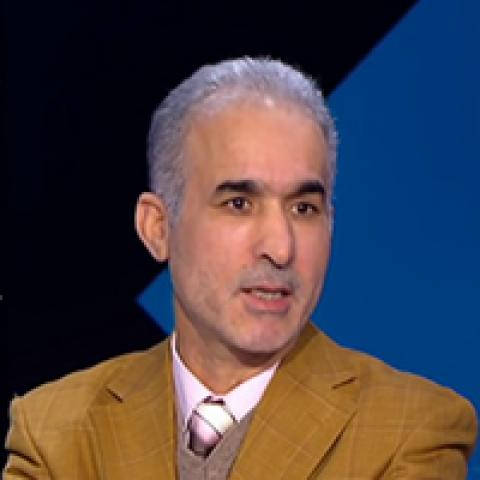
I've visited Bani Walid, my hometown, many times over the last couple of years. Every time I come to Libya I check on friends and family and talk to people about how the town is progressing. On my September visit, I was in for a surprise. Bani Walid had actually become a beacon of peace, security and a mecca for those seeking shelter from other troubled towns in Libya. During the second half of September the town received nearly 200 families who fled Sirte as the Islamic State strengthened its control of the coastal town some 250 kilometers northeast of Bani Walid. I spoke to SCWT’s chairman, Salah Maeuf, a professor of history at the local university and tribal leader. “I answered the call when my town needed me,” he explained when asked why he accepted the leadership position. He said, “Bani Walid now is far different from what it was three years ago. It is more peaceful and much more secure compared to the rest of Libya.”
Bani Walid's own volunteer security force, a group of civilians commonly known as al-Saria, keeps their town safe. Crimes such as extortion and kidnapping shot up between 2012 and 2014, while the small official police force in town was unable to work properly due to a lack of effective government across Libya. Salah told Al-Monitor that al-Saria “enjoys the support of our council, our social-tribal cover and legitimacy.” In practical terms, this means no known criminal or suspect will be able to claim tribal protection once implicated in any crime, and many have been jailed and disowned by their tribes in the process.


