Are new provinces the key to a peaceful Iraq?
Turkmen politician Torhan al-Mufti spoke to Al-Monitor about Turkmen demands and political participation as well as the possible establishment of new provinces in Iraq.
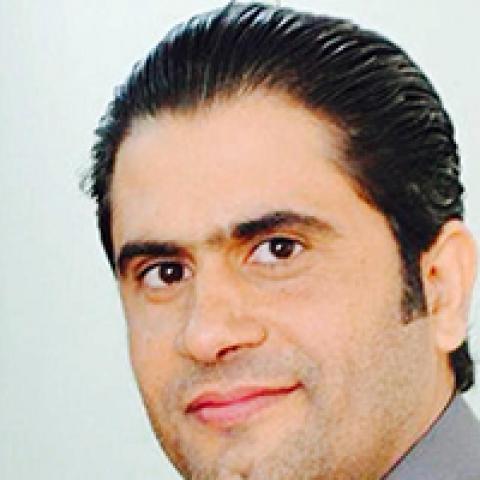

BAGHDAD — In an interview with Al-Monitor, the Turkmen politician Torhan al-Mufti argued for the establishment of new provinces as the best solution for diminishing ethnic conflict in Iraq, particularly in those areas where diverse ethnic and religious communities reside, such as Ninevah, Basra and Kirkuk. Such a proposal, Mufti contends, should be viewed in light of the possibly imminent liberation of Ninevah province from the Islamic State (IS) by joint Arab and Kurdish forces in coordination with the United States.
Speaking at his home in Baghdad’s Green Zone, Mufti noted that Turkmen political awareness has evolved toward more effective participation in the political process, despite the influence of Turkey on them. The Turkmen have reaped benefits from political alliances entered into since the April 2014 parliamentary elections, particularly alliances with Shiite political movements, including the Islamic Dawa Party, the National Reform Trend (Islah), the Badr Organization and the Islamic Supreme Council of Iraq.
Mufti, chairman of the Turkmen Hak Party, served on the Kirkuk provincial council from 2005 to 2010. He was appointed state minister for provincial affairs in 2010 and ran the Ministry of Communications as acting minister under Prime Minister Nouri al-Maliki. He then served as provincial affairs adviser to President Fouad Masum until 2014. In September, Prime Minister Haider al-Abadi appointed Mufti to head the High Commission for Coordination between Provinces Secretariat.
Al-Monitor: Which political current most represents the Turkmens?


