Ultra-Orthodox see chance to retake Jerusalem mayor's office
With municipal elections two years away, the ultra-Orthodox are already working to unite behind a candidate as Jerusalem's current mayor, Nir Barkat, considers a run on Israel's national scene.
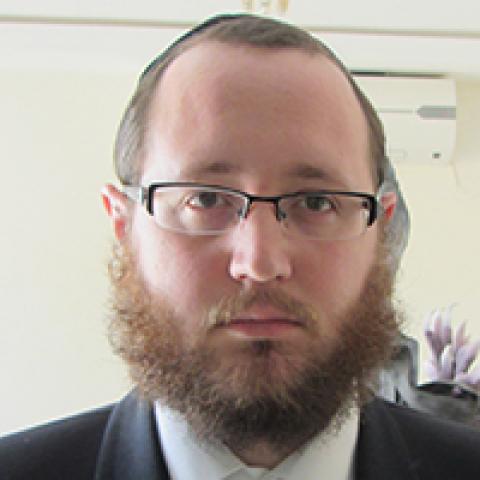

Just two months ago, Jerusalem Mayor Nir Barkat made the surprising decision to join the Likud, even insinuating that he eventually plans to run for head of the party. The possibility that a strong mayor like Barkat would abandon the corridors of Jerusalem City Hall earlier than anticipated so that he could contend in the national arena has reinvigorated local Jerusalem politics, two and a half years before the municipal elections are officially scheduled to take place. Many in the ultra-Orthodox community are placing high hopes on this new development. They tried to win back the mayor’s office twice in the past few years, but with no success. Now they believe that the goal is within reach. They seem to believe that Barkat has already exhausted all the potential inherent in the mayor’s office and is ready to move on.
Barkat comes from the business sector. A tech investor and entrepreneur, he first ran as an independent candidate for mayor of Jerusalem in 2003. The secular vote was split (Yigal Amedi from the Likud ran against him), and Uri Lopoliansky, an ultra-Orthodox candidate, was able to win that election. Five years later, in 2008, Barkat took advantage of divisions within the ultra-Orthodox sector and finally won the office. He ran again in 2013, this time as an incumbent. Convinced that they would be unable to defeat him, the ultra-Orthodox decided that they had no choice but to support Moshe Leon, a religious nationalist candidate who had previously served as director-general of the prime minister’s office and chairman of Israeli Railways and was supported by Yisrael Beiteinu Chairman Avigdor Liberman. Despite widespread support from the ultra-Orthodox community, Leon ultimately lost to Barkat.
It turns out that Leon, who now serves as the representative of a one-person faction in the city council, has never abandoned his dream of becoming mayor. Over the past few weeks, he has held a series of secret meetings in private homes and restaurants with leading ultra-Orthodox political figures. His goal seems to be to win their support and to prevent them from choosing a candidate from their own ranks. On the other hand, the ultra-Orthodox are also hard at work behind the scenes to achieve their main objective. They want to pull together and consolidate their ranks, because without doing so, they have no real chance of winning the election. It now looks like Yahadut HaTorah's candidate is current Deputy Mayor Yossi Deutsch. Even his political rivals admit that he is the ultra-Orthodox candidate with the best chances of being elected mayor.
The ultra-Orthodox, some 35% of Jerusalem’s Jewish population, turn out to vote in high numbers. In their view, that they do not have one of their own in the mayor’s office is a political fiasco (particularly since the Arab residents of Jerusalem do not play an active role in the political process for ideological reasons).


