Egypt's writers fear increasing restrictions
Egyptian authors are fighting for freedom of expression as the state cracks down on what it calls offending public decency and contempt of religion.
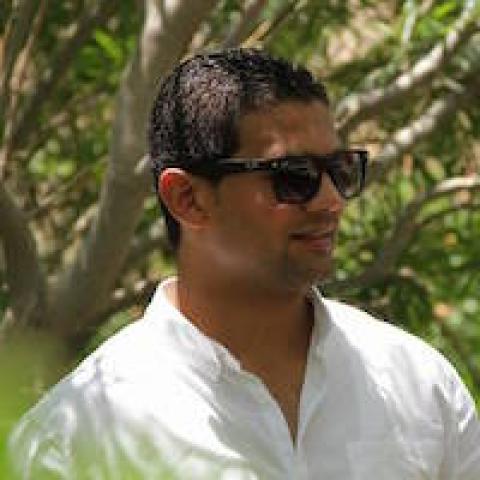

Some in Egypt believe the state, which claims to fight terrorism, rather is creating it through its obsession with security and its quest to preserve a regressive structure in society. The government has tightened the noose on society, taking a variety of measures against innovative minds such as isolating people, silencing them, limiting their imaginations, confiscating their dreams and basically draining the life out of them.
In Egypt, as in some other Arab countries, the state fears every free voice that calls for fighting tyranny.
“Why do dictatorships fear imagination?” asked a number of prominent Tunisian intellectuals in a statement issued March 9 in the wake of verdicts against novelists and authors in Egypt. Signed by 58 intellectuals, the document expressed support for Ahmed Naji, an Egyptian novelist handed a two-year prison sentence in February on charges of offending public decency after he published several pages from his explicit novel “The Use of Life” (also called "Using Life) in Akhbar al-Adab weekly magazine.
Several political parties and rights organizations condemned Naji's incarceration. Then, less than a month later, journalist Fatima Naoot was accused of contempt of religion after she expressed on Facebook her objection to the slaughter of sheep on Eid al-Adha (Feast of the Sacrifice).


