Will US terrorism finance law do more harm than good in Lebanon?
The recently passed US law to fight terrorism financing targets Hezbollah, but it could put all of Lebanon in the line of fire.
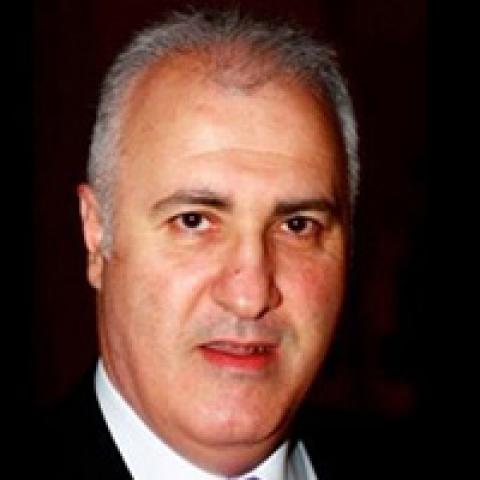

Beirut is awaiting Daniel Glaser, assistant secretary for terrorist financing at the US Treasury Department. Glaser's visit, set for the end of May, has gained great importance given that it comes in the wake of the Hizballah International Financing Prevention Act of 2015, issued by the US Congress in December.
Several delegations of the Lebanese government and banking officials visited Washington after the law was passed to discuss its impact. The delegations concluded that Beirut should wait for more details, which were then published April 15 in the Federal Register.
That same day, the Treasury Department's Office of Foreign Assets Control issued a list of more than 90 people suspected of being involved in financing terrorism. Under the law, the accounts of those people should be closed in all banks around the world. Any bank or commercial entity that deals with those on the list will risk US sanctions.
This development exacerbated the confusion in Lebanon about the law and its potential repercussions.


