How to end cycle of violence between Palestinians, Israelis
The latest attack in a Tel Aviv market raises questions about the factors pushing Palestinians to commit such acts of violence against Israelis and illustrates the need for talks about applying the two-state solution to end the cycle of violence between both parties.

The cycle of violence in Palestine and Israel has become so predictable that almost anyone following the news can easily forecast what will happen next. For Palestinians, Israelis and the international community, the predictability of the cycle of violence points to lifting the Israeli occupation as the most effective way to end the violence. The June 8 attack on a market in Tel Aviv that left four Israelis dead is no exception to this dynamic.
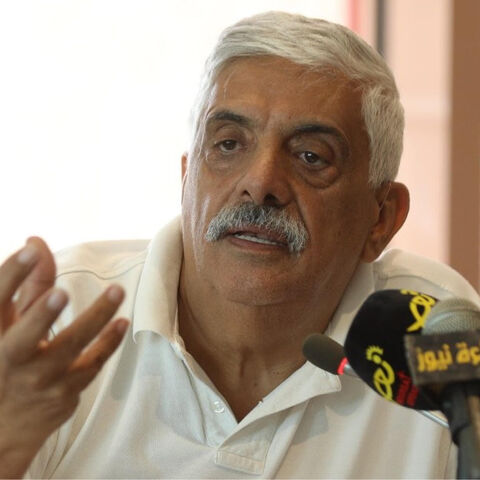
Palestinians speak of the absence of a peace process and lack of a political horizon as a factor in the deepening cycle of violence. Muammar Orabi, director general of the Ramallah-based Wattan News Agency, told Al-Monitor that what happened in Tel Aviv is a natural outcome of the current political decline. “Palestinians have lost hope, and there is an unprecedented sense of frustration in the occupied territories,” Orabi said.
This opinion is not restricted to Palestinians. In an interview with journalist Ilana Dayan on Israel Army Radio (Galei Tzaha) on June 10, Ron Huldai, the popular mayor of Tel Aviv, pointed the blame. Huldai, a former air force pilot and ambitious Labor Party leader, said that there are more than 200 territorial disputes worldwide, adding, “We might be the only country in the world where another nation is under occupation without civil rights. You can’t hold people in a situation of occupation and hope they’ll reach the conclusion everything is alright.”
The need to end the violence was also expressed by Israeli Knesset member Ayman Odeh, the head of the Joint List of predominately Arab parties. Odeh was quoted in the Jerusalem Post as saying, “Remove all Palestinian and Israeli citizens from the cycle of terror and bloodshed. We must fight together to bring an end to the occupation, and do the right thing for justice and peace for both peoples.”


