Kurdish politician still missing in Turkey
A young Kurdish politician, Hursit Kulter, has been missing in Turkey since late May, reviving memories of arbitrary detentions and extrajudicial killings during the height of the Kurdish conflict in the 1990s.
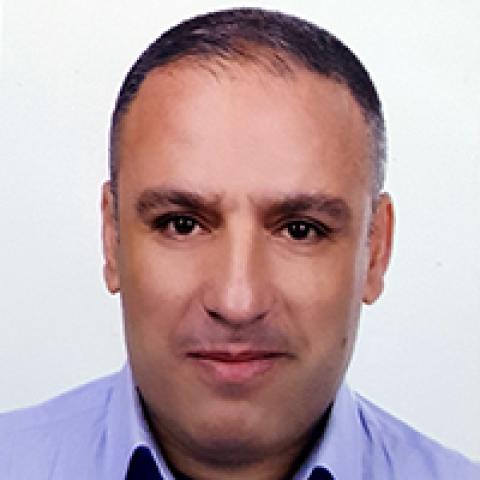

DIYARBAKIR, Turkey — It was May 26, and fierce clashes were underway between the security forces and urban Kurdish militants in Turkey’s southeastern city of Sirnak. The Kulter family, which had fled the city, got an unsettling text message from their 32-year-old son Hursit, a senior local member of the Kurdish Democratic Regions Party (DBP), who had stayed behind at home. “They are coming closer. Give me your blessing,” read the message, which was to be their last communication with him.
The next day, an anonymous Twitter handle believed to be used by members of the security forces posted a derisive message suggesting Kulter was being held in an armored vehicle and interrogated. The family quickly contacted the prosecutor’s office and then the police, the military and anyone they could think of, but the answer never changed: No one by the name Hursit Kulter had been detained.
As time passed, the family’s apprehension grew. Having been through the height of the Kurdish conflict in the 1990s, they knew such disappearances did not bode well. According to human rights activists, about 2,500 cases of disappearance remain unresolved in Turkey, most of them in the mainly Kurdish southeast, where arbitrary detentions and extrajudicial killings terrorized the population on a daily basis two decades ago.
Kulter’s disappearance soon became a matter of national public interest. Parliament members from the pro-Kurdish Peoples’ Democratic Party (HDP) brought up the issue with competent ministers, campaigns were launched on social media and protests were staged, but to no avail.


