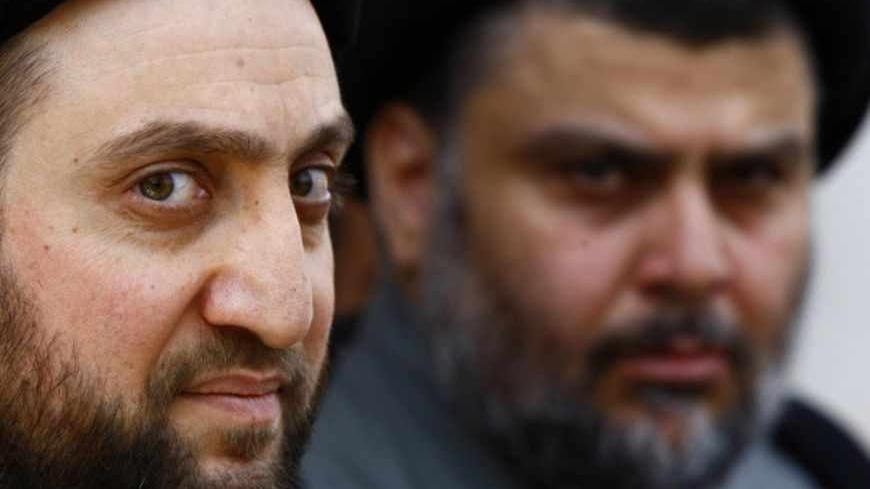
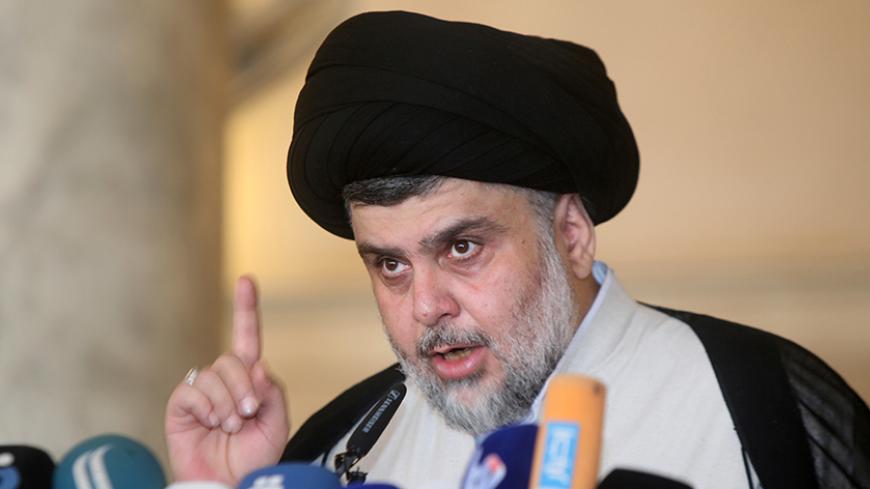
BAGHDAD — The National Alliance, the largest predominantly Shiite political bloc that holds 185 out of 328 parliamentary seats, decided Sept. 5 to elect Ammar al-Hakim, the head of the Islamic Supreme Council, as its leader in an unexpected move that came without any news about the coalition's intention to choose a new president being previously published.
This suggests that there are political goals behind this decision as the alliance tries to revive itself by creating a strong political cohesion among its members in order to participate in the upcoming elections and preserve its historic achievements, knowing that it has been the largest political bloc in the post-2003 era. It appears that under a new consensus, Hakim will only be able to hold the post for a year.
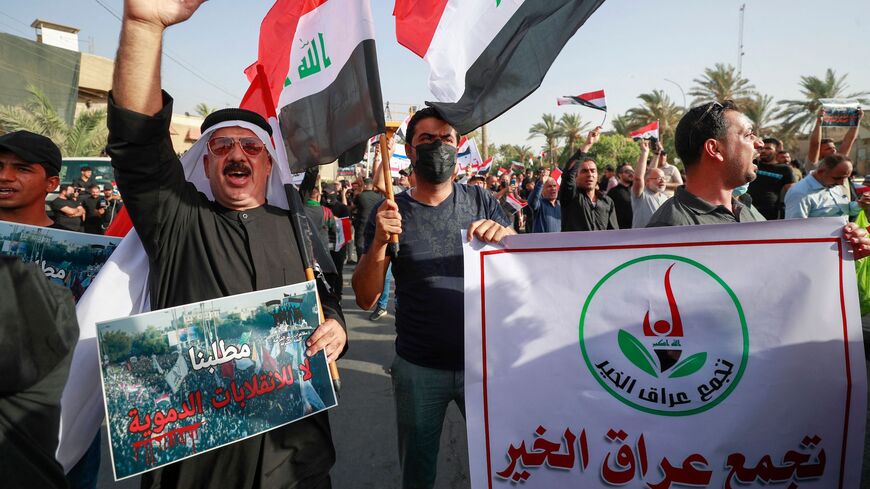
Since its inception in 2005 until the formation of the current government, the National Alliance had always been fragmented and struggling to reach united stances. When Haider al-Abadi was elected prime minister, the bloc of former Prime Minister Nouri al-Maliki accused many of the National Alliance parties of treason, which led to a wave of dissent that was followed by the Muqtada al-Sadr-affiliated al-Ahrar bloc’s declaration that it would not attend the National Alliance meetings amid mounting protests in the Iraqi street against the policies adopted by those in power.
Also, just like Sunni and Kurdish alliances, the National Alliance suffered over the last two years from internal disputes. Due to the lack of agreement on a new leader, both former Minister of Higher Education Ali al-Adib and Hakim, who ran for the alliance leadership post in July 2015, could not gain the bloc’s confidence. As a result, the post remained occupied by Foreign Minister Ibrahim al-Jaafari, leader of the alliance following the August 2009 death of Supreme Council head Abdul Aziz al-Hakim.
AL-MONITOR All-Access gives you unlimited access to all our journalism, the full Daily Briefing, exclusive interviews, premium newsletters, and live events — for less than $2/week.