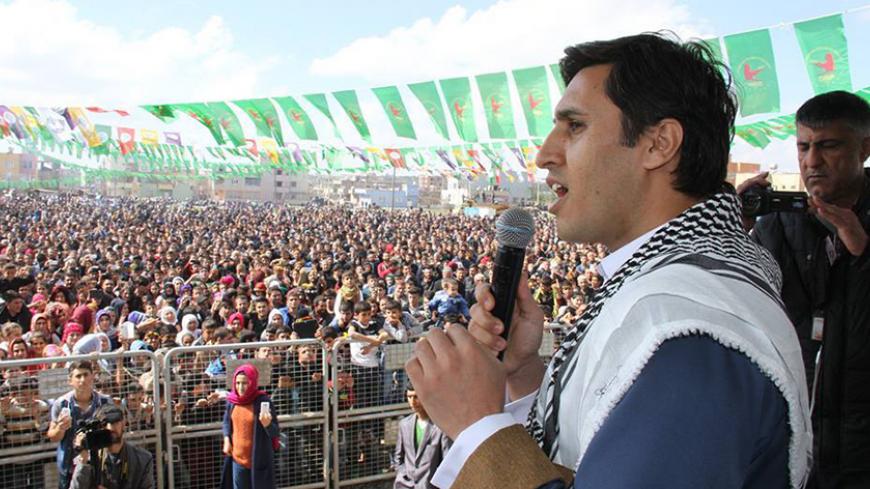
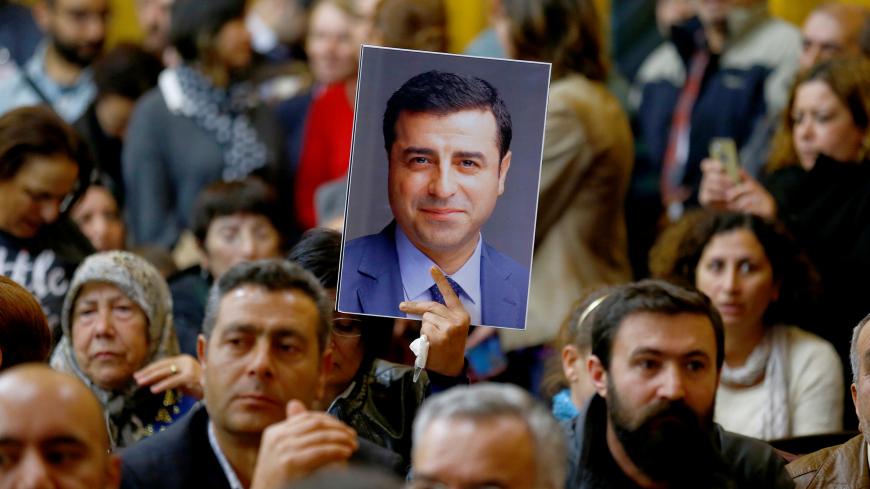
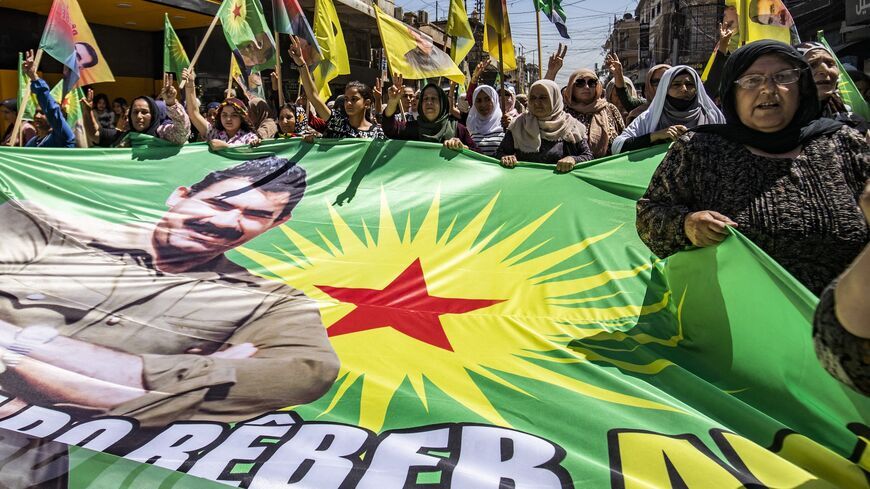
The Peoples’ Democratic Party (HDP), representing the Kurdish movement in national politics, is the third largest force in Turkey’s four-party parliament. Unlike its predecessors, the party, established in October 2012, adopted a national agenda, deciding to address concerns beyond the Kurds and the Kurdish question. As such, the HDP became the most successful party in the history of the Kurdish movement. In the 2014 presidential elections, party co-chair Selahattin Demirtas garnered 9.7% of the vote, well above the traditional 5%-6% share for Kurdish parties. In the July 2015 general elections, the HDP won 13% of the vote, making it the first Kurdish party to surpass the 10% national threshold to enter parliament. In the snap polls in November that same year, it mustered 10.7% to clinch its current 59 seats in the 550-member parliament.
Meanwhile, local politics in Turkey's predominantly Kurdish southeast have been dominated by the HDP’s sister organization, the Democratic Regions Party (DBP), the Peace and Democracy Party's successor that won 102 local administrations, including 11 provincial capitals, in municipal elections held in March 2014. In a democratic climate, no matter how flawed, the Kurdish base and its representatives were able to exert influence. The HDP played an active role in the 2013-14 settlement process, engaging and even cooperating with the government. Once authoritarian tendencies began to rise in government and violence superseded politics, however, the same Kurdish base and representatives became a huge problem in Ankara's eyes. For nearly two years now, the Turkish state and government have been venting anger at and trying to criminalize the HDP and the DBP.
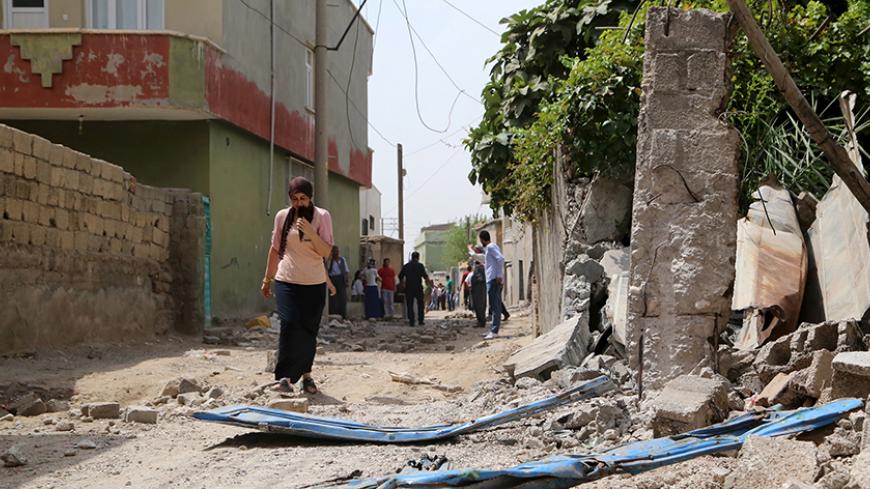
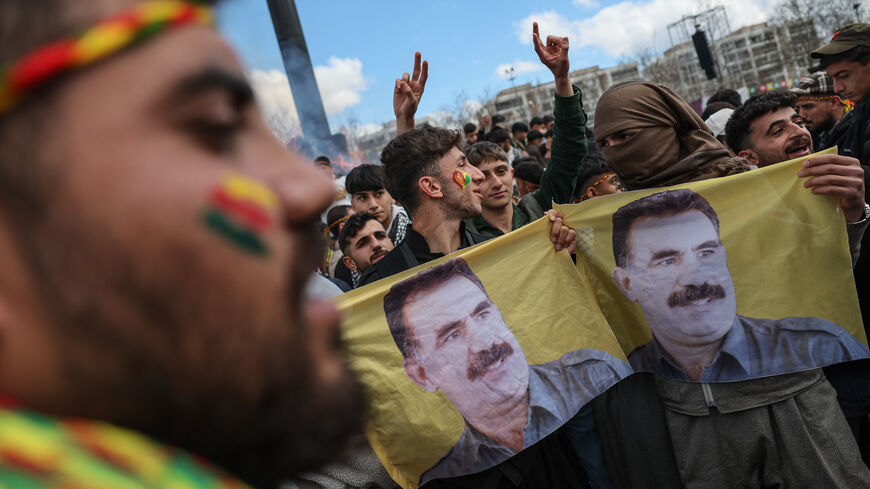
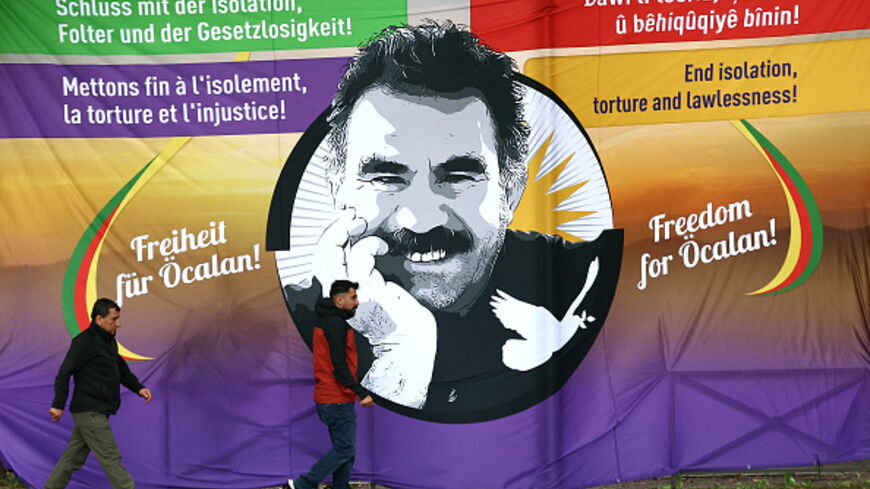
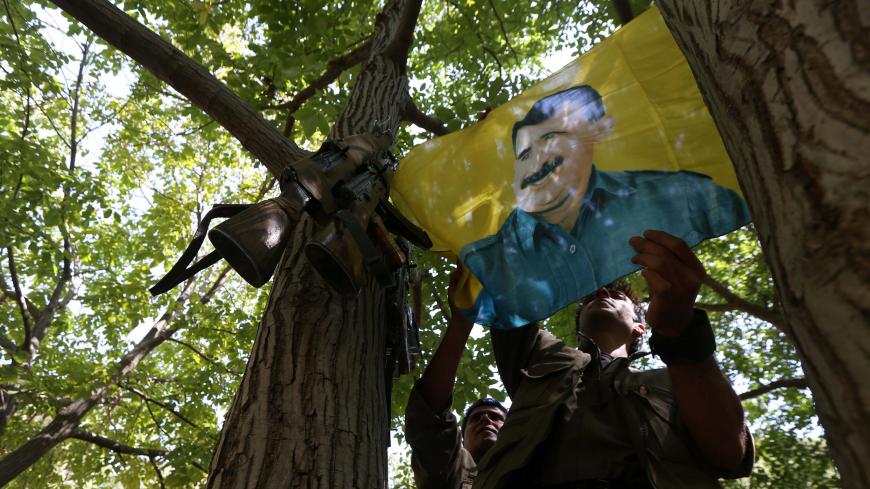
This new chapter began in July 2015 as the de facto cease-fire between the Turkish state and the Kurdistan Workers Party (PKK) collapsed. The state launched an onslaught against the PKK, while the PKK exposed its goal of entrenching itself in northern Syria, or Rojava as the Kurds call it, and embarked on an urban war in southeastern Turkey in a bid to install the canton model the Kurds have established in northern Syria. Heeding PKK calls, popular councils with DBP members declared self-rule in a number of settlements. As armed militants held out behind trenches and barricades in residential neighborhoods, urban areas became war zones, with devastating consequences for civilians, human rights, democracy and economic life.
During this time, Ankara had begun to consider the possibility of Kurdish statehood in Syria, seeing it as an imminent and tangible danger. The PKK’s war for dominance in the southeast, its influence in Syria and Kurdish advances in the Middle East in general melded into what Ankara perceived to be a serious, externally backed threat to its borders. The alarm was such that Ankara, desperate for allies against the Kurds, dropped its objection to Syrian President Bashar al-Assad's remaining in power in a bid to enlist support from Russia and Iran.
AL-MONITOR All-Access gives you unlimited access to all our journalism, the full Daily Briefing, exclusive interviews, premium newsletters, and live events — for less than $2/week.