New 'rules of the game' for Israeli-Hamas standoff
The expulsion from Qatar of Hamas leaders and the movement's reconciliation with Iran has potentially changed the "rules of the game" between Israel and Hamas.
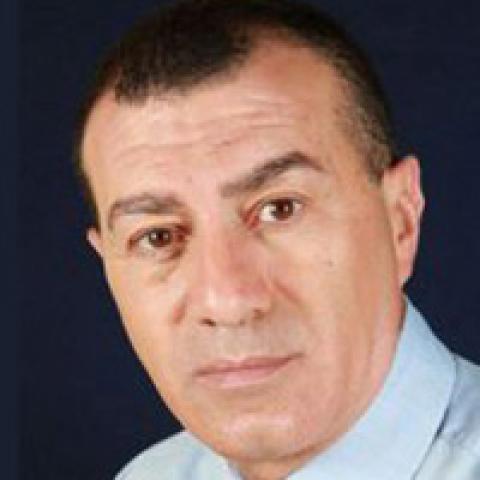

Salah al-Arouri is the first senior Hamas figure forced to leave Qatar at the height of the diplomatic upheaval currently gripping the Gulf emirate. He was accompanied on his June 4 departure by Moussa Dudin, a former West Bank resident freed from an Israeli prison in the 2011 prisoner exchange deal with Hamas for Israeli soldier Gilad Shalit. After his release, Dudin joined the Hamas “bureau” built by Arouri, first operating out of Turkey and then Qatar, to carry out attacks against Israelis in the West Bank.
Hamas' political bureau set up its headquarters in the oil-rich principality in January 2012, when its top officials abandoned Damascus at the start of the civil war there. Then, as now, the distance between the Gaza Strip and Hamas' offices abroad was not only geographic. It also had profound repercussions for the movement’s future. When former political bureau chief Khaled Meshaal left Damascus for Qatar, the movement’s entire orientation changed. Hamas transformed from an organization joined at the hip with Syria and Iran into a lackey of the wealthy Gulf emirate, benefiting from its bounty and carrying out its orders.
The rupture with Iran and subsequent move to Qatar’s side brought Tehran’s weapons supply and funding of Hamas almost to a complete halt. Were it not for the lifeline thrown to Meshaal by the Qatari emir, Tamim bin Hamad Al Thani, it is unlikely that Hamas would have survived the storm that has swept the Arab world.
Since Hamas' founding 30 years ago, the movement has been forced to adapt itself to whichever sponsor is willing to pay. The countries that severed ties with Qatar in recent days have accused the emirate of funding terrorism. In the case of Hamas, however, the opposite is true. Unlike Iran, Qatar forced the movement to moderate itself, relatively speaking, of course.


