Palestine’s admission to Interpol sparks angry response from Israel
In light of the ongoing US and Israeli stalemate to push peace talks, the Palestinians are taking matters into their own hands and recently joined Interpol.
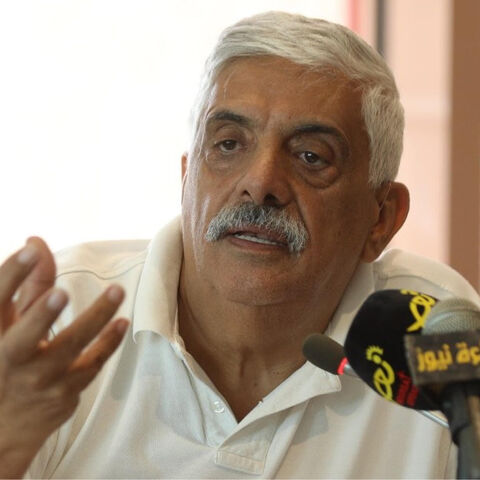

The success of Palestine in joining Interpol, the world’s leading police network, can best be evaluated by the response of the Israeli government. After the initial stunned silence, Israeli Prime Minister Benjamin Netanyahu has warned that the Palestinian action “will not go unanswered.”
Palestine achieved the legally needed two-thirds majority to join Interpol by a 75-24 secret vote with 34 members abstaining. During the Sept. 27 meeting of the 192-country organization in Beijing, Palestine became a full member of this international security organization. While Interpol has no specific sovereignty powers over any country, it is famous for its “red alert” information-sharing system in which member countries can alert fellow members of a wanted criminal. Israel fears that this alert system will be used to hound Israeli officials as they travel.
Eugene Kontorovich, the head of the international law department at Israeli think tank Kohelet Policy Forum in Jerusalem, said the decision to accept Palestine into Interpol will weaken prospects for future peace because somehow it will strengthen their aspiration for statehood. “Palestinian membership will only solidify their goal of seeking the trappings of statehood without negotiations and concessions,” Kontorovich told the Jewish News Service on Sept. 28.
Israel’s Environmental Protection Minister Ze'ev Elkin (Likud) raised the rhetoric even further by using military terms when mentioning Palestine. “Israel cannot stand idle in the face of the Palestinians' diplomatic warfare. We must convene the Cabinet and stop all of our goodwill gestures toward the Palestinian Authority," Elkin was quoted in the Jerusalem Post on Sept. 28.


