What Talabani's death means for future of Iraq
The future doesn't look well for Iraq and the region in the wake of former President Jalal Talabani's death.
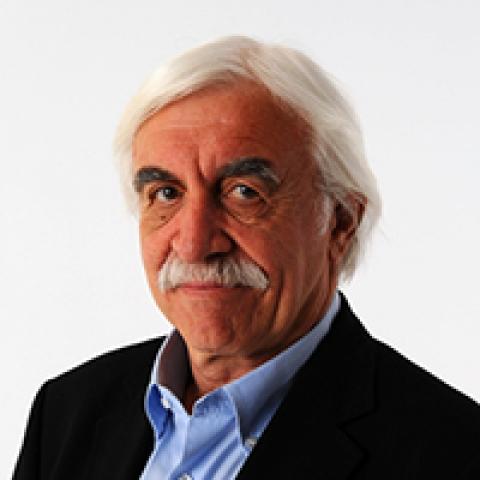

Probably no president was ever called "uncle" by his eminent counterparts and by the people on the street. Yet in every Middle East country where Kurds live, "mam" ("paternal uncle" in Kurdish) was the honorific title of Jalal Talabani, a legend of Kurdish politics and former president of Iraq from 2005 to 2014.
When they use honorific titles, Kurdish men are usually addressed as "kak," which translates to "sir." For example, his followers and Kurds in general often address Massoud Barzani, the president of the Kurdistan Regional Government (KRG) of Iraq, as "Kak Massoud." Such a title of respect never suited Jalal Talabani. "Mam," however, was a sign of affection. I do not recall any time that I have addressed him in any other way in the more than 40 years we knew each other.
Talabani, Iraq's first non-Arab president after Saddam Hussein, died Oct. 3 at a time when his lifetime goal for an independent Kurdistan triggered intraregional tensions that only his savvy leadership could moderate.
Talabani became incapacitated after he suffered a stroke in December 2012; he underwent treatment in Berlin for more than a year. Since then, he has had no apparent political role in Kurdish and overall Iraqi decision-making. Yet, despite his absence in the political scene for almost five years due to his frail health, unable to speak and move, his physical presence on this earth seemingly provided a bizarre sense of confidence to all those locked in intense political struggles with each other.


