Libya's revolutionaries: Where are they now?
Several politicians, ministers, diplomats and high-ranking civil servants who were once a part of the Libyan revolution now find themselves in different circumstances.
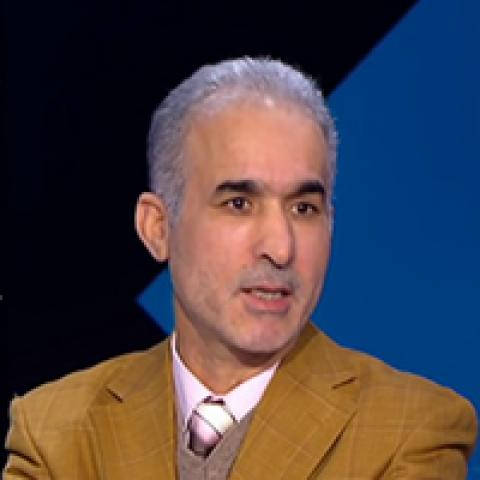

When some Libyans revolted in 2011 beginning in Benghazi, in eastern Libya, in what became known as the February 17 Revolution, there were no apparent leadership figures to represent them in what was seen as another episode of the so-called Arab Spring. Leaderless revolts against leaders of the day, and mostly corrupt governments in Tunisia, Egypt and then Libya, were the main feature at the time — but not for long.
In the case of Libya, some politicians, ministers, diplomats and high-ranking civil servants were ready to lead what turned out to be far less than a genuine spontaneous revolution as it led Libya into lawlessness, civil war and the most damaging foreign military intervention spearheaded by France and the United Kingdom before NATO took over. It was somewhat surprising to see longtime Moammar Gadhafi loyalists, former ministers and Libya’s permanent representative at the United Nations, Abdurrahman Mohamed Shalgham, join those who would become known as the Libyan Revolutionaries.
Shalgham first appeared in the UN Security Council on Feb. 25, 2011, when the council convened to discuss the turbulent situation in Libya, and the following day adopted Resolution 1970 imposing a series of measures against Libya, including a travel embargo and arms sales freeze.
Shalgham surprised everyone, including Gadhafi, when he wrote to the Security Council to express his support for the measures taken against his own country and government — the very country he was supposed to defend. His emotional plea to the UN on Feb. 25 to take strong action against Libya drew confusion mixed with sympathy since Shalgham’s duty was to defend his country and the government that appointed him there. It was a rare event in the UN halls that a representative of a country would turn against his own regime while still in office. On the same day, Shalgham resigned.


