Is Islamic State back in Kirkuk?
Using reactivated sleeper cells and new tactics in Kirkuk, the Islamic State shows it's back in action even as it is about to lose all its territory in Iraq and Syria.
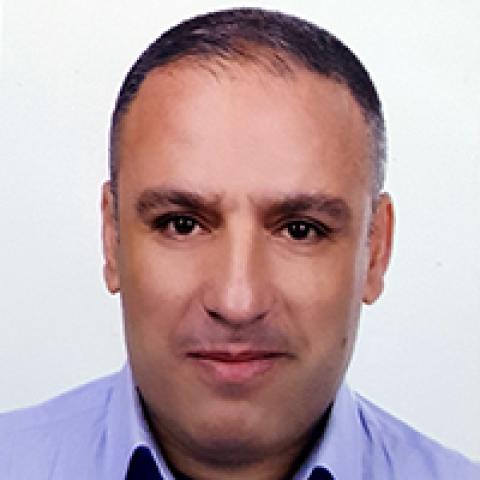

DIYARBAKIR, Turkey — In the last week of December, an armed group ambushed a convoy on the Kirkuk-Hawija road in Iraq, killing seven people. Iraqi security forces couldn’t track the attackers. The identities of those killed were determined quickly: They were Col. Fazil Sebawi of the Iraqi police, his son and five bodyguards.
Shortly afterward, reports of another attack came from south of Kirkuk. Walid Nuri, the leader of the Jiheshad tribe and commander of Hashd al-Ashayer forces southwest of Kirkuk, his wife and son were killed.
Nobody could explain the attacks. After ousting Kurdish forces from Kirkuk, the Iraqi army and Popular Mobilization Units (PMU) had imposed total control over the area and ensured its security. However, the Islamic State (IS) soon claimed responsibility for both attacks.
After seizing Mosul in 2014, IS had turned toward Kirkuk but was repelled by Kurdish forces controlling the town. Yet, possibly because of the region's oil wealth, IS never gave up on Kirkuk. Although the extremist group couldn't control the city center, its influence over the province's southern regions never waned.


