US adds Hamas political leader to terrorist list
By designating the head of Hamas’ political arm, Ismail Haniyeh, on the American list of global terrorists, the US State Department added another obstacle to Palestinian reconciliation.
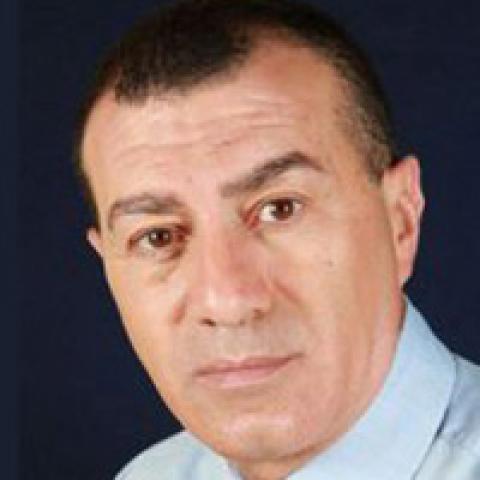

The United States on Jan. 31 added the head of Hamas' political bureau, Ismail Haniyeh, to its list of Specially Designated Terrorists. "Haniyeh has close links with Hamas’ military wing and has been a proponent of armed struggle, including against civilians,” announced the US State Department. “He has reportedly been involved in terrorist attacks against Israeli citizens. Hamas has been responsible for an estimated 17 American lives killed in terrorist attacks.”
The State Department has another list that includes 61 organizations designated as “terrorist groups.” Hamas was added to the list in October 1997, following the suicide attacks in Israel after the targeted killing of “The Engineer” Yahya Ayyash in January 1996. In the same year, additional Palestinian organizations were added to the list, such as Islamic Jihad and the Popular Front for the Liberation of Palestine.
The list of terrorist leaders also includes Mohammed Deif, the head of Hamas’ military arm; Yahya Sinwar, one of the founders of the military wing and now the leader of the movement in the Gaza Strip; Rawhi Mushtaha, who is responsible for prisoners; and Fathi Hammad, formerly the interior minister in the Hamas government who is suspected of planning terrorist attacks and who even Egypt believes is connected to jihadist cells in the Sinai Peninsula.
Those who didn’t make it on the list include former head of Hamas' political bureau Khaled Meshaal and deputy head of Hamas' political bureau and founder of the political arm Mousa Abu Marzouk. After Abu Marzouk was expelled from Amman, Jordan, in 1995, he landed at Kennedy Airport and was arrested and imprisoned following an Israeli extradition request. But two years later he was released when then-Prime Minister Benjamin Netanyahu gave up on his extradition. Abu Marzouk ultimately wasn’t declared a terrorist.


