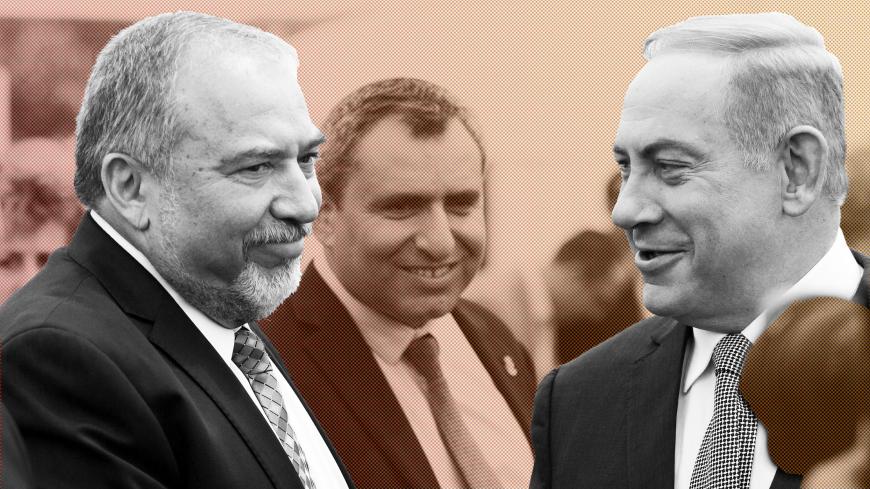
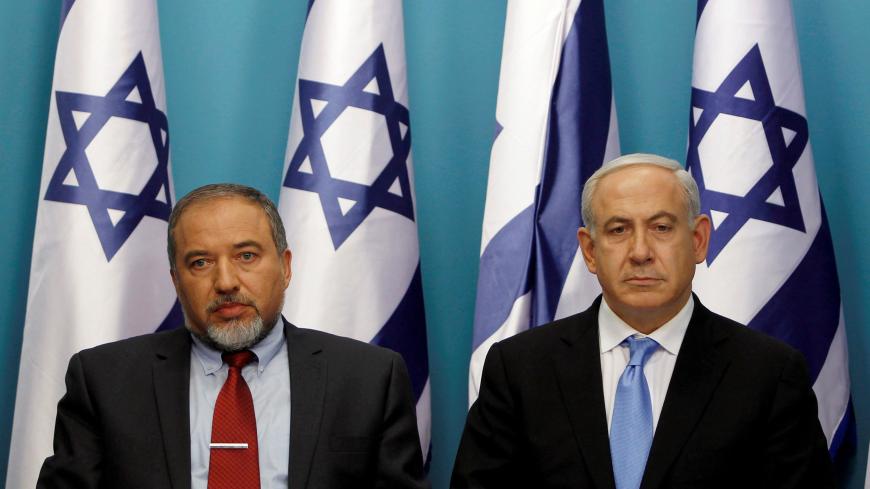
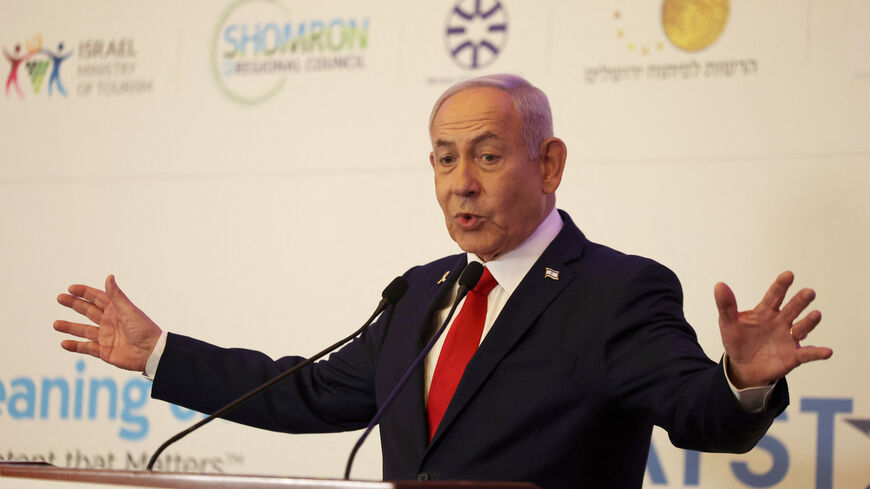
The coalition crisis over the draft bill advanced by the ultra-Orthodox is now over and the threat of early elections averted. Indeed, only the Israeli political system could produce this kind of paradox: A popular prime minister tries to break apart the coalition of his dreams, no matter how stable it is, but his coalition partners prevent him from doing so. This dogged bout of arm-twisting between the leader and his coalition partners lasted a full week, with both sides pouring all their strength and energy in opposite directions.
The prime minister wanted to bring down his government and hold an early election, while the members of his government preferred to continue in the current constellation until the end of their term. In the end, Prime Minister Benjamin Netanyahu came to recognize the limitations of power. Ministers Naftali Bennett, Ayelet Shaked and Aryeh Deri may be his partners, but with the support of Finance Minister Moshe Kahlon and the ultra-Orthodox parties, they were able to lock Netanyahu into his own coalition and throw away the keys to his political confinement. The risk of a new election has passed for now as a compromise was reached. So did Netanyahu’s last chance to engage in costly and rushed political maneuvering before Attorney General Avichai Mandelblit decides his fate, whether to indict him for receiving bribes.
At first, they could hardly believe that this was really happening. The leaders of HaBayit HaYehudi and Kulanu, as well as Shas and the Ashkenazi ultra-Orthodox parties, were convinced that Netanyahu would come to his senses at some point or other. They knew that the dispute between Defense Minister Avigdor Liberman and Deputy Health Minister Yaakov Leitzman of ultra-Orthodox Yahadut HaTorah over exempting the ultra-Orthodox from enlistment was not the kind of clash that brings down governments. A compromise could be found quickly, with very little effort.
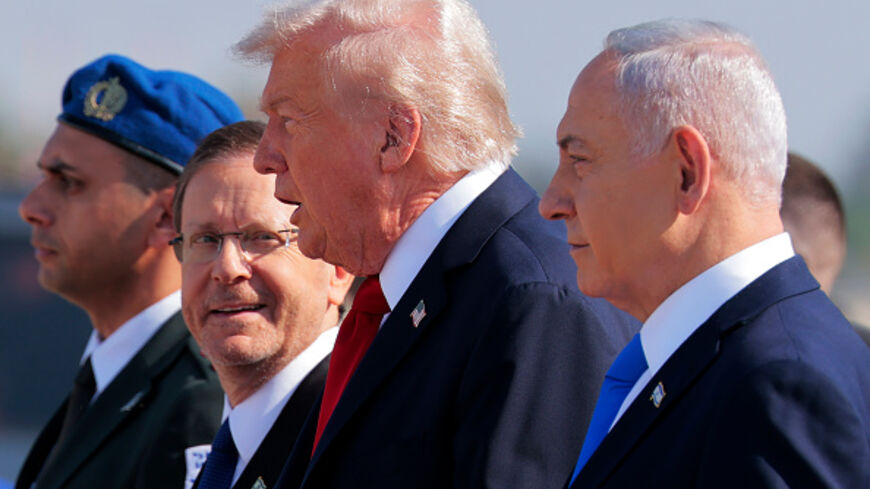
But Netanyahu would not deal with the crisis. If anything, he exacerbated it when he dropped everything and flew off to the United States on March 6 to meet with President Donald Trump and address the annual American Israel Public Affairs Committee conference. By the end of the week, Netanyahu’s partners realized they are living on borrowed time. They concluded he was about to break up their partnership and drag them kicking and screaming into a new election cycle. They also knew Netanyahu's motivations had nothing to do with national interests, which strive for political stability. All he really wanted was to increase his strength and to signal to the attorney general that the people are behind him, even after all the criminal investigations.
AL-MONITOR All-Access gives you unlimited access to all our journalism, the full Daily Briefing, exclusive interviews, premium newsletters, and live events — for less than $2/week.