Humiliated Netanyahu scapegoats pro-democracy NGO
Frantic to extract himself from his immigration failure, Prime Minister Benjamin Netanyahu is accusing a US-based nongovernmental organization called the New Israel Fund of sabotaging an agreement with Rwanda.
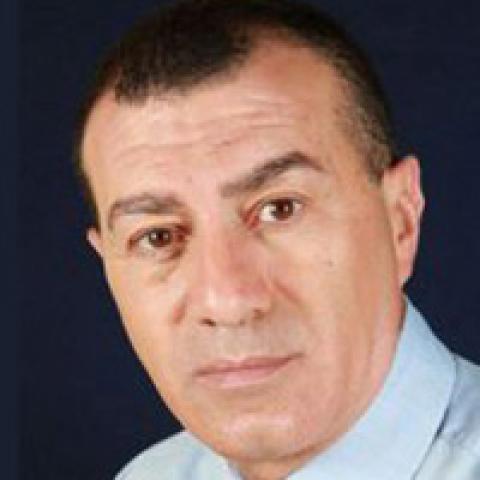

Prime Minister Benjamin Netanyahu has a system. Anytime he feels pressure from voters on the right, he pulls out a homegrown enemy to justify his actions and unite his supporters around him. Take for example election day in 2015, when he warned about the Arab voters allegedly being bused to polling stations by the political left. The gambit was successful: Netanyahu managed to spread fear among his voters, who rushed to the polls and kept him in power.
For Netanyahu, the most dangerous domestic enemy is the political left, and he makes abusive and frequent use of this scapegoat. In 1997, during his first term as prime minister, he was overheard whispering in the ear of the elderly kabbalist Rabbi Yitzhak Kaduri, one of the spiritual leaders of the ultra-Orthodox Shas party, that leftists "have forgotten what it is to be Jewish.” During his subsequent terms, nonprofits dedicated to human rights have been turned into enemies of the people, among them B’Tselem, which documents the conduct of Israelis in the West Bank, and Breaking the Silence, which reports human rights violations by Israeli soldiers against Palestinians.
The New Israel Fund is also included in Netanyahu's enemy camp. He stirs up resentment among his supporters, who swallow his incitement hook, line and sinker, even though many Israelis have no idea what the organization does.
On the morning of April 3, Netanyahu announced in a news conference that Israel had reached an agreement with the UN concerning illegal African immigrants. A few hours later, Netanyahu executed a panicked U-turn, revoking it after coming under harsh attack by his constituents. He then declared that the NIF had scuttled an earlier arrangement his government had reached with Rwanda to take in immigrants deported by Israel. Netanyahu claimed that the cancelation of the Rwanda arrangements pushed him to sign the agreement with the UN, which he then decided to revoke. Rwanda denied any contact with or pressure from the NIF.


