Holding elections in fractured Libya puts cart before horse
It seems UN envoy to Libya Ghassan Salame is getting ahead of himself, agreeing to elections before the warring parties reconcile.
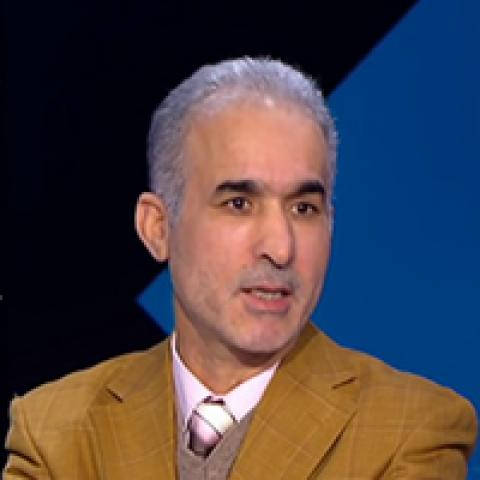

When Ghassan Salame took over as the United Nations envoy to embattled Libya in June 2017, the former Lebanese culture minister — after consulting extensively with various Libyan factions — promised Libyans and the UN three things.
The first promise was to amend the Libyan Political Agreement (LPA), which was signed in Skhirat, Morocco, in December 2015. The LPA, which still hasn't been implemented, is already outdated and needs amendments to accommodate changes in the Libyan political scene. These changes include the rise of Gen. Khalifa Hifter in eastern Libya as a force to be reckoned with, the increasing role of supporters of the former regime of Moammar Gadhafi and the increasingly disruptive role played by armed militias, particularly in western Libya.
Salame got his mission off to a good start when he succeeded in bringing the two rival Libyan governments to the table in Tunis in October 2017 to discuss the proposed LPA amendments. But after three rounds of negotiations, spread over a full month, the parties reached a deadlock, leaving fractured political groups with conflicting agendas.
At this point, frustrated by the lack of progress, it appears Salame changed his mind and began thinking that LPA amendments were no longer constructive issues, let alone urgent. Rather than solving the problem, he apparently just put it aside. This perhaps indicates that he believes the whole LPA issue — including its amendments — is irrelevant. In his May 21 report to the UN Security Council, Salame blamed the Libyan participants for the failed talks, saying, “The parties are unwilling to make the necessary concessions.”


