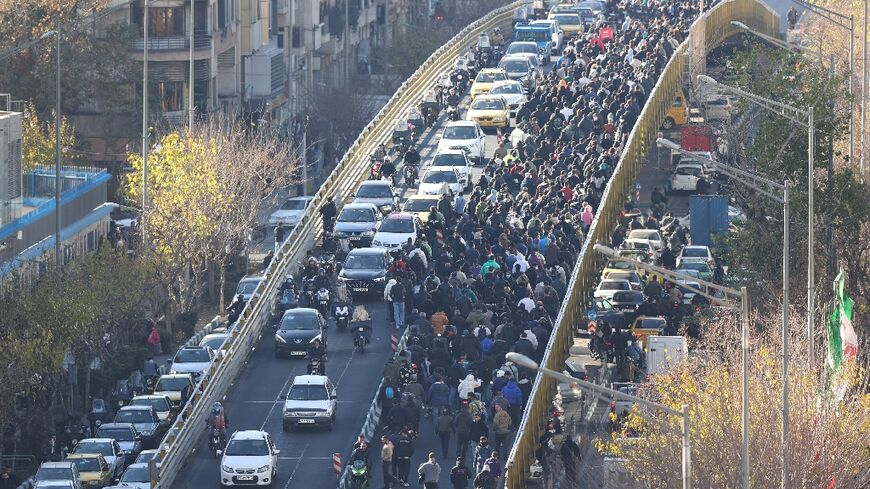
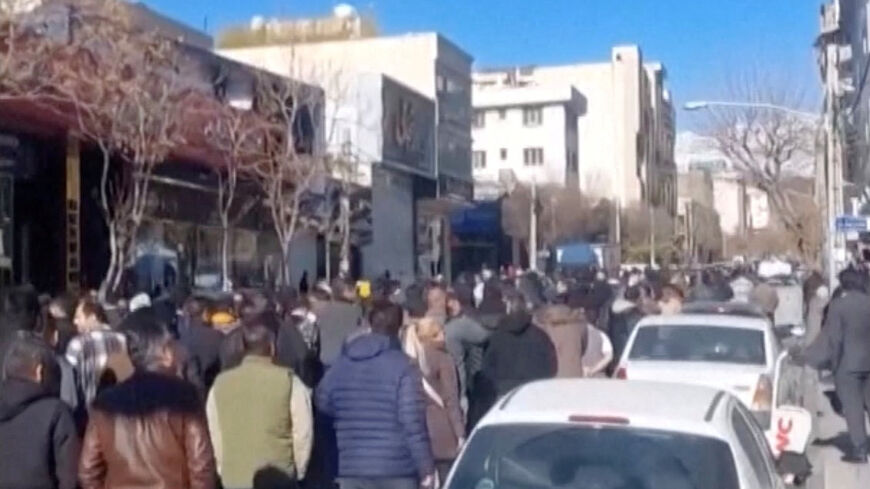
As the unofficial exchange rate in Iran hit a record 90,000 rials to the dollar June 24, a second day of protests erupted in Iran.
On June 24, shopkeepers selling cellphones and computer equipment at two main malls in Iran went on strike over the sudden increase in the unofficial rate — until recently, the black-market, unofficial exchange rate had kept within a fairly stable range from the official exchange rate. Many of the protesters marched toward Iran’s parliament building. On June 25, Tehran bazaar merchants also shut down their shops and staged protests.
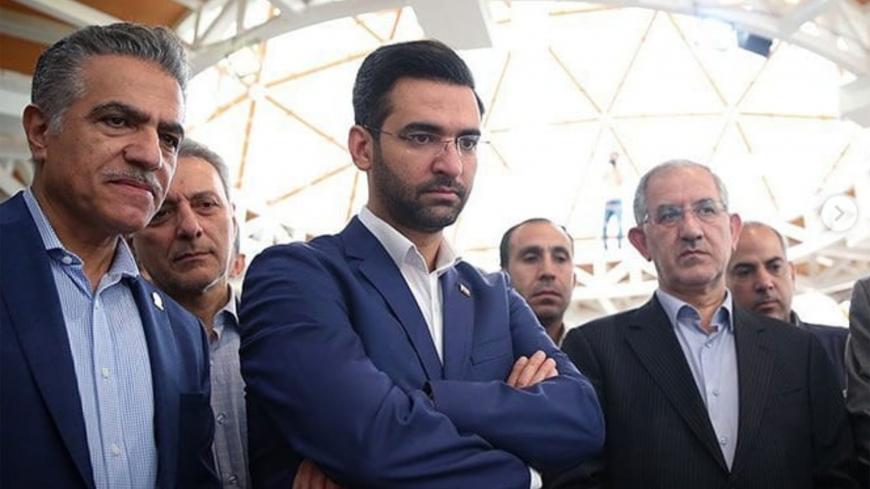
While President Hassan Rouhani has not yet publicly commented on the protests, a number of officials from the administration have responded. Mohammad Javad Azari Jahromi, the minister of information communications technology, responded to the protests by cellphone merchants by publishing the names of dealers who had taken advantage of the official government exchange rate and the specific amounts. According to Azari Jahromi, the administration had provided a number of dealers with an exchange rate of 42,000 rials to the dollar, which in essence amounted to a subsidy from the government. He said the total involved in this exchange was 220 million euros ($257 million) but that the dealers had only imported 72 million euros' worth of cellphones.
Some social media users welcomed Azari Jahromi’s publication of individual dealers and seeing how much the businesspeople had benefited from official government exchange rates. The social media users encouraged other government ministers to publish similar lists, hoping that greater transparency would help combat corruption. Fars News, however, wrote that Azari Jahromi’s claim showed the administration lacked oversight in how the official exchange rates were being used.
AL-MONITOR All-Access gives you unlimited access to all our journalism, the full Daily Briefing, exclusive interviews, premium newsletters, and live events — for less than $2/week.