Israel's finance minister listens carefully as citizens grumble over price of food
The social protests that erupted in the summer of 2011 are still reverberating in Israel, and Finance Minister Moshe Kahlon's refusal to allow the price of milk to go up means he senses growing consumer anger.
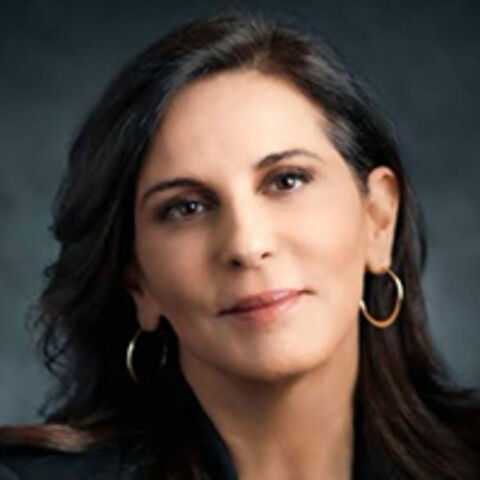

Finance Minister Moshe Kahlon has a highly developed sense of smell, especially when it comes to the public’s mood over socioeconomic affairs. Sometimes he can sniff it out even before it rises to the surface.
That’s what happened in 2009, right after he was appointed communications minister. He took on the cell phone companies, which were charging exorbitant prices, and despite enormous pressure was able to open the market to competition and bring prices down. Back then, two years before the social protests erupted in the summer of 2011, the sentiments he picked up on foreshadowed the emerging rage among the middle class over the cost of living that later on brought hundreds of thousands of people into the streets.
The cell phone revolution turned Kahlon into a powerful brand in the fight for socioeconomic justice. He founded Kulanu and after the 2015 election was appointed finance minister, largely because of that successful struggle.
So when he expressed concern that a rise in prices of basic foodstuffs could hurt the party electorally at a June 18 meeting of the Kulanu Knesset faction, it was more than a passing observation. “It’s not an easy story, particularly for a party with a social agenda. If we were HaBayit HaYehudi, it wouldn’t matter,” Kahlon can be heard saying in a recording from the closed meeting that reached Channel 10. Later, he made it perfectly clear that he doesn’t plan to sit twiddling his thumbs. “We’ll check each and every item. We’ll do the work in the Finance Ministry. We’ll move on to the Ministry of Economic Affairs too. We must be prepared for this.”


